





You want your article to show up in Scopus. This guide lays out the full route. It starts with shaping a strong study, moves through journal choice and submission, then ends with indexing and tracking citations.
Every step is practical. You will see where items from your research workflow connect to common checkpoints like literature review, methodology, plagiarism checks, Harvard referencing style, and statistical analysis.
What “Publish in Scopus” Actually Means and How It Works?
Scopus is an abstract and citation database. You do not post your paper to Scopus. You publish in a journal that Scopus already indexes. The database then lists your paper after the journal releases it.
So your task is simple to say and hard to do. Write a solid paper. Pick a Scopus-indexed journal that fits. Follow its rules. Pass peer review. Then indexing follows.
You publish in a journal that Scopus indexes
Take the process as a chain of events. Journal accepts your paper. Journal publishes it online. The journal’s metadata feeds into Scopus. Your title and abstract appear in Scopus search. Readers can find and cite it. So the journal sits at the center of your plan.
Scopus journal selection basics
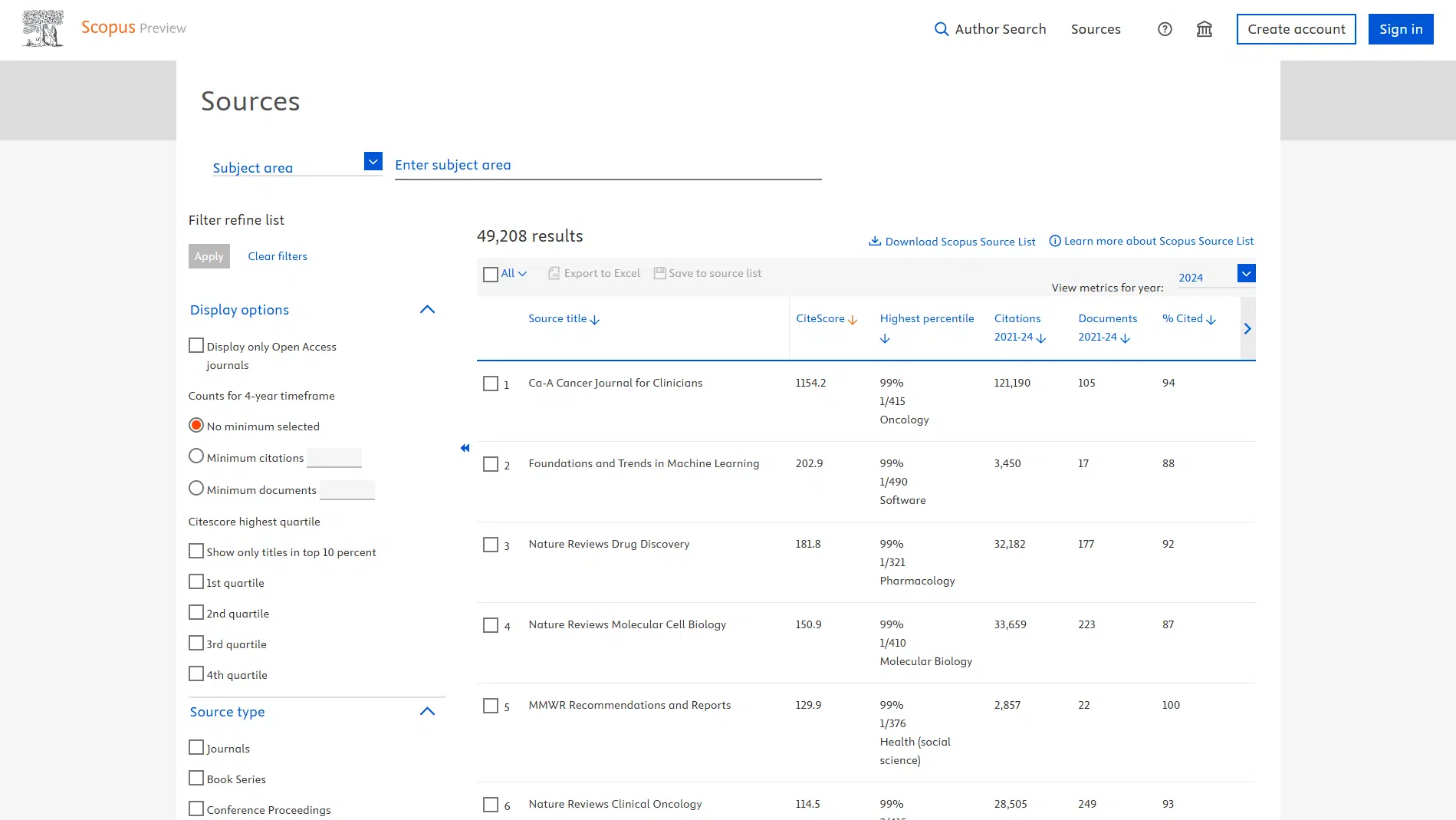
Scopus uses a content board to select titles. It reviews scope, editorial quality, publishing ethics, citation patterns, and timeliness. Titles can be added or discontinued. This means your first job is to confirm the journal is currently indexed. Use the journal’s site plus the Scopus source list. Take a screenshot for your records before you submit.
Why indexing is essential for visibility and citations
Indexing boosts discovery. Librarians search it. Reviewers and grant panels use it. Recruiters look at Scopus Author Profiles. A paper in Scopus can feed metrics like CiteScore at the journal level. You also track your own citations over time, which helps when you assemble a portfolio, a promotion case, or a research paper template for applications.
Check Your Research Is Ready
Clear research question and aim
Start with a tight problem statement and research questions. Say what you study, who or what you sample, and why it matters to the field. Add a simple hypothesis if the design needs one. If you write qualitative work, set aims and guiding questions instead.
Sound research design and ethics approval
Choose a research design that matches the question. Secure ethics approval when humans, animals, or sensitive data are involved. Store your consent forms and approvals. Journals often ask for them at submission.
Avoid common research bias in planning
Bias can creep in before you collect data. Watch for selection bias, self-selection bias, undercoverage bias, and confirmation bias. Use a clear sampling frame and Sampling Methods that match your population. Set your analysis plan before you start to limit HARKing and hindsight bias. Document data handling to support reliability and validity.
Choose the right methodology
Pick qualitative vs quantitative with intent. Quantitative studies might include T-tests, regression, ANOVA, or confidence intervals. Qualitative work may use case studies, thematic analysis, content analysis, discourse analysis, or ethnographic research. Mixed methods can work too. The key is fit. Your methods of data collection must align with your questions.
Looking for dissertation help?
Research Prospect to the rescue then!
We have expert writers on our team who are skilled at helping students with dissertations across a
variety of disciplines. Guaranteeing 100% satisfaction!

Pick the Right Journal
Make a shortlist of Scopus-indexed journals
Create a list of 5 to 10 titles. For each, note scope, article types, word count, fees, submission site, and typical review time. Look at recently published articles to see the conversation you will join. Place all of this in a simple table so you can compare.
Match your topic to the journal scope and audience
Read the aims and scope page. Check past two years of issues. Your study should sit inside that zone. A perfect manuscript sent to the wrong venue will fail. Use your literature review to name the journals that keep coming up.
Understand journal metrics in simple terms
CiteScore, SJR, and SNIP give different views of journal standing. Use them to compare journals inside your niche, not across distant fields. Do not chase the highest number. Fit and audience matter more for your first submission.
Watch out for predatory or poor-fit journals
Look for clear editorial boards, indexing proof, realistic timelines, and transparent fees. Avoid outlets that promise instant decisions or hide key policies. If in doubt, ask senior colleagues or your supervisor.
Read the Journal Rules Carefully
Article types, word count, and formatting
Journals accept different article types. Research Article, Short Communication, Review, Case Study. Pick the correct one. Stick to word limits. Follow the template. Prepare figures and tables to the right size and file type.
Referencing style requirements
Most journals accept multiple styles, yet many in social sciences and business ask for Harvard referencing style. Build citations as you write. Use a reference manager so your Reference list stays consistent. If you cite an interview, a government report, a YouTube video, or a court case, use the correct pattern from your Harvard citation examples.
Data, ethics, and consent requirements
Include an ethics statement. Describe consent and data security. Add a Data Availability Statement. If you used survey instruments or a Questionnaire, deposit them as Appendices or in a repository.
Open access policy and any fees
Some journals are subscription based. Some are open access with article processing charges. Some are hybrid. Check waivers and funding rules before you submit.
Plan Your Paper Before You Write
Choose clear keywords and a strong title
Pick 4 to 6 keywords readers actually search. Use field terms you saw in your Literature Review. Keep the title sharp. State the topic, the method, and the context if space allows. Avoid puns. Avoid clickbait.
Decide your paper structure
Most empirical papers follow IMRaD. Introduction, methods, results, and discussion. Reviews follow a different flow. Decide early so you can plan figures, tables, and head levels.
Build a focused literature review, not a list
Summarize and synthesize. Show key debates. Link studies by method or finding. Use what are credible sources, the CRAAP test, and how to evaluate sources as quick checks. Add both primary vs secondary source types when useful.
Plan figures, tables, and appendices
Sketch each table on one page with the exact variables. Label axes and units early. Decide which materials belong in Appendices. This saves time when you upload files.
Write Your Paper Step by Step
Title, abstract, and keywords that readers can find
Write the abstract last. Make it a mini story with background, method, results, and a short takeaway. Include your chosen keywords naturally.
Introduction that sets the problem and gap
Start with the topic. Narrow to the problem. State the gap with one or two citations. End with aims or hypothesis. Keep it tight.
Literature review with synthesis and citation best practice
Group sources by idea. Show agreement and disagreement. Use how to paraphrase a source, how to quote sources, and what to cite to keep your voice clean. Avoid patchwriting. A quick pass from a plagiarism quick guide keeps you safe.
Methodology that others can follow
Describe design, setting, sample, Sampling Methods, instruments, and procedures. Define Variables. Explain reliability and validity checks. For qualitative studies, include recruitment, interview guides, transcribing an interview notes, and analysis steps like thematic analysis.
Data and statistical analysis that are easy to check
Name your tests in plain terms. T-tests for two-group means. One-way ANOVA for three or more groups. Regression for prediction. Report effect size, test statistic, P value, and confidence intervals. Keep your code or steps in Supplementary material if allowed.
Results that report
Present tables and figures that match your plan. Do not argue here. Just report.
Discussion that explains what the results mean
Now interpret. Link to prior studies. Address limitations. Offer recommendations or next steps.
Conclusion, limitations, and recommendations
State the main finding in one sentence. Add a short note on limits and practical uses. Close with a plain recommendation.
Reference list that is complete and consistent
Check every in-text citation against the reference list. Use the journal’s style. If Harvard is required, confirm punctuation, italics, and order for each source type.
Language and Formatting Checks
Punctuation and grammar basics that improve clarity
Run a final pass for comma, semicolon, colon, apostrophe, and hyphen usage. Fix subject-verb agreement and misplaced modifiers. Shorten long sentences. Use parallel structure in lists.
Consistent headings, tables, figures, and captions
Follow the journal’s heading levels. Number tables and figures in order. Use clear captions. Keep units and decimal places consistent across the paper.
Plagiarism check and how to keep similarity low
Quote sparingly. Paraphrase with your own structure and wording. Cite the original. Log your similarity score. Most journals accept a low score when quotations and references are excluded, yet aim lower than that. Use types of plagiarism as a checklist of what to avoid.
Paraphrasing, quoting, and when to cite
Cite ideas that are not common knowledge. Use block quotes only when the exact words matter. Prefer paraphrase to keep flow.
Get Your Files Ready for Submission
Cover letter that sells the fit
Write one page. Name the article. State the contribution in a sentence. Explain fit with the journal scope. Confirm ethics, originality, and that the paper is not under review elsewhere.
Highlights and graphical abstract if asked
Some journals want 3 to 5 bullet highlights and a simple image. Keep both concrete. No slogans.
Data availability statement and supplementary files
Tell readers where to find datasets, code, and appendices. If data is restricted, state why and how to request access.
Conflict of interest and funding statements
List grants and any potential conflicts. If none, say none declared.
ORCID and author details in the right order
Add ORCID IDs. Confirm author order before submission. Check affiliations and emails. This helps the Scopus Author Profile link cleanly later.
Submit Your Paper the Right Way
Create or use the journal’s submission account
Register once. Keep your login for revisions. Enter names as they appear on your past papers.
Fill in all forms and metadata correctly
Title case. Abstract. Keywords. Funding info. Suggested reviewers if the system asks. Accuracy here speeds up downstream indexing.
What to expect after you click submit
You receive a confirmation email. The editor screens your paper. You get a desk decision or the paper moves to peer review. Set a calendar reminder for likely timelines.
Handle Peer Review and Revisions
What does desk rejection, major revision, and minor revision mean?
Desk rejection means poor fit or basic issues. Major revision means you must address big points and possibly new analysis. Minor revision means polish and small fixes.
How to respond to reviewers point by point?
Copy each comment. Reply under it. Be polite and precise. If you disagree, give data or a source. Where you make changes, quote the new text and state the line or section.
When to appeal or try another journal?
If the fit was wrong, move on fast. If reviews are unfair, check the journal’s policy on appeals. Keep notes to speed up the next submission.
After Acceptance Steps
Proofs, copyright forms, and final checks
Return proofs on time. Fix only real errors. Complete license forms. Confirm names, affiliations, DOIs, and figure quality.
Open access choices and article processing charges
Select the license that aligns with your funder. Confirm fees and invoices. Keep receipts for grant reporting.
Share your paper the right way
Follow the journal’s sharing policy. Post accepted manuscripts where allowed. Share a short thread with plain language. Add the link to your profiles and your institutional page.
Get Indexed and Track Your Paper in Scopus
How indexing usually happens after publication?
Indexing runs on feeds and schedules. It may take some weeks. You do not need to request it in most cases.
Find and fix author profile issues in Scopus
After indexing, check your Scopus Author Profile. Merge duplicates, fix name variants, and add ORCID. Accurate profiles protect your citation record.
Track citations and set up alerts
Set email alerts for new citations. Watch growth in your field. Use these insights for your next research paper discussion and methodology planning.
Improve Your Chances Next Time
Build a publishing plan for your research area
Create a one page plan with target journals, timelines, and data sources. Keep a log of rejected and accepted papers with reasons. This turns experience into process.
Collaborate, present, and grow your network
Present at conferences. Join reviewer pools. Review work in your niche to learn editorial expectations.
Keep good research data and methods for reuse
Document code, instruments, and protocols. This speeds up future submissions and supports Replication.
Useful Tools and Good Practices
Reference managers and Harvard style templates
Use EndNote, Mendeley, or Zotero. Pick a Harvard style file that matches the journal. Validate special sources with Harvard citation examples for interviews, government websites, TED Talks, podcasts, and pdfs.
Simple statistics checks that editors look for
Name the test. State assumptions. Report sample size, test statistic, P value, confidence intervals, and effect size. For ANOVA, include post hoc tests. For regression, report coefficients and R squared. For Surveys, describe the sample and nonresponse bias risk.
Using AI tools the right way for editing and ideas
AI can suggest phrasing, outline options, or a grammar pass. Keep ideas your own. Check journal and university policies on AI. If you used AI for language edits, declare it. Do not list AI as an author. Questions like Is AI chatbot safe and AI chatbot legal implications matter here, so keep a short note in your methods or acknowledgements if required.
How to evaluate and cite credible sources?
Use peer reviewed articles first. For policy context, cite reports and government websites. Apply the CRAAP test. When you quote, follow how to block quote and how to quote sources. When you paraphrase, cite the origin.
Frequently Asked Questions
A database. You publish in a journal. Scopus indexes it later.
Use the journal’s site and the Scopus source list. Record proof before you submit.
Some journals charge article processing fees. Some do not. Check the policy page for your target.
Ranges from weeks to months. The journal’s site often lists averages. Plan for delays.
If a journal is discontinued or retracts your paper, visibility can change. Write with strong ethics and pick solid venues.
Journals do not all use the same number. Aim for a low score by paraphrasing well and citing correctly.
You can use them for language and layout ideas if the journal allows it. Disclose use when required. Keep the analysis and claims your own.
Read the decision. Fix structural issues. Send to the next best fit on your shortlist.





