


Pursuing a Doctor of Business Administration can be one of the most significant educational investments of your professional life. Many experienced managers, executives and consultants choose a DBA to deepen their expertise while strengthening their ability to solve complex business problems through research. This guide explains how to evaluate the research component of a program before you enrol — the part that quietly shapes the whole doctoral experience.
Tuition, scheduling flexibility and program length understandably dominate the conversation when professionals compare doctoral options. Research expectations deserve just as much scrutiny, because they shape nearly every part of the doctoral experience — and the practical value you gain from the degree long after graduation.
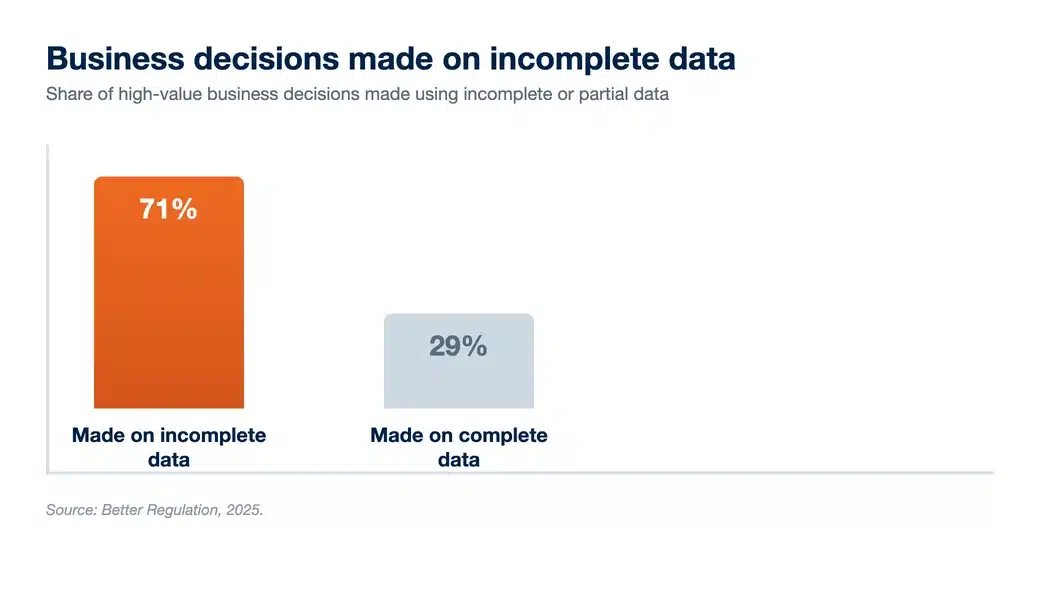
A 2025 study found that “71% of high-value business decisions were made using incomplete or partial data” — a reminder of why structured research skills matter for senior leaders. (Source: Better Regulation, 2025)
Understanding the purpose of doctoral research
When comparing online doctorate in business administration programs, look first at the purpose assigned to research within the curriculum. Most DBA degrees emphasise applied research that connects academic knowledge with practical business challenges, which appeals to professionals who want to investigate real-world issues while building advanced analytical capability. Program descriptions usually reveal whether research is meant to improve organisational performance, contribute new management insight, support leadership development or address industry-specific concerns.
A thoughtfully structured program presents a clear progression from introductory research concepts through to independent scholarly work. Greater transparency usually reflects stronger academic planning — and helps you judge whether a program’s research philosophy aligns with your own professional interests.
What to evaluate before you enrol
Five areas separate a strong research component from a weak one. Use them as a checklist when you compare programs:
| Component | What to look for |
|---|---|
| Research philosophy | Is research applied to real problems, or focused on theory? Does it match your goals? |
| Methodology training | Coursework in qualitative, quantitative, literature reviews and statistics, in a logical sequence |
| Dissertation expectations | Clear scope, proposal process, committee oversight, milestones and timelines |
| Faculty support | Advisors who combine academic credentials with real professional experience |
| Research resources | Databases, journals, statistical software and remote writing/library support |
Examining research methodology training
Research quality depends heavily on the preparation students receive before starting major projects. Reputable DBA programs include coursework on qualitative research, quantitative analysis, literature reviews, data collection, statistical methods and academic writing. As you review course descriptions, pay attention to both the depth and the sequence: strong programs dedicate real time to methodology before pushing students into proposal work. If you want to brush up before you apply, our guides to research methodology and inferential statistics are a useful starting point.
Dissertation, faculty and resources
The final research project is usually the most demanding part of a DBA, so examine dissertation requirements closely — scope, originality, review procedures and timelines vary considerably. Faculty support matters just as much: national data indicate only about 57% of doctoral students complete their degrees within ten years, which underlines how important consistent mentorship is. Finally, check the research infrastructure — databases, journals, statistical software and remote writing support all shape what students can realistically produce.
Working on doctoral or postgraduate research?
Our dissertation specialists and statisticians can support your proposal, methodology and analysis from first draft to final submission.
Looking beyond graduation
The strongest DBA programs build skills that keep paying off: critical thinking, analytical reasoning, evidence-based decision-making and data literacy. These capabilities support leadership across industries and help professionals approach complex problems with greater precision. Before you choose, decide what you want your research experience to achieve — consulting work, leadership advancement, teaching, or deeper expertise in a field — and weigh research philosophy, methodology training, dissertation expectations, faculty support and resources together. For applied secondary projects, our secondary research service can also help.