


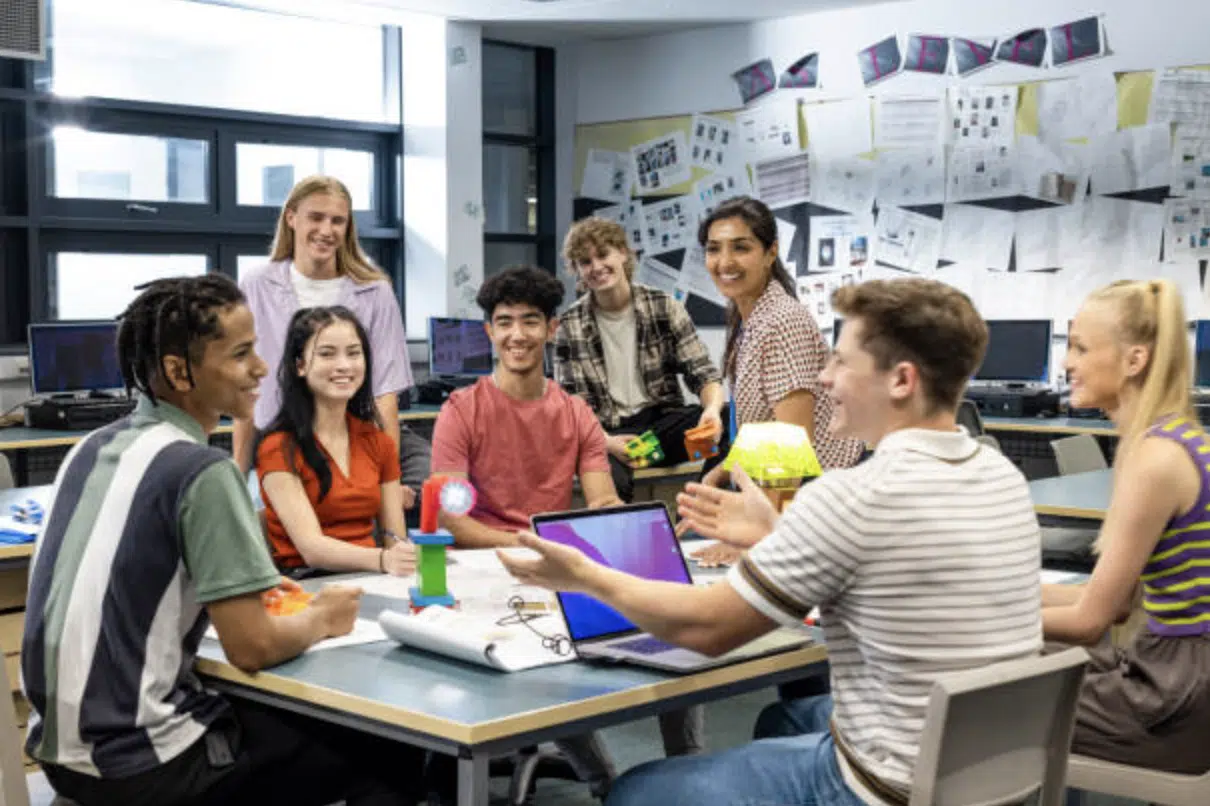
Have you ever thought about how education helps students get ready for their future careers?
Many people see education as the first step toward building knowledge, confidence, and useful skills for life. From school classrooms to college campuses, education helps students learn new ideas, understand how things work, and build abilities that help them grow in their careers.
Teachers, books, projects, and practical learning all work together to support students as they prepare for different professional paths. Education does more than teach academic subjects. It also helps students develop communication skills, teamwork, creativity, and problem-solving abilities. These qualities support students as they move into different industries and professional roles.
When students gain the right knowledge and practical experience, they feel more confident about their future plans. In many places, schools and universities continue to introduce learning methods that connect education with career readiness.
This approach helps students understand how their studies relate to real work situations. As a result, students leave educational institutions with valuable knowledge and a clear sense of direction.
Table of Contents
Building Strong Foundations Through Education
Education plays a central role in helping students build the foundation for future careers. It introduces them to different subjects, ideas, and ways of thinking that help shape their interests and strengths. From an early age, students learn basic skills such as reading, writing, and mathematics.
These skills form the base for advanced learning later in life. As students move through higher levels of education, they begin to explore subjects that connect with professional fields like science, technology, business, and healthcare. Learning in classrooms also encourages curiosity and motivation.
Teachers support students by explaining ideas clearly and encouraging discussions that help students understand concepts deeply.
Over time, students begin to recognise their interests and talents. This awareness helps them choose academic paths that align with their career goals.
Looking for research paper help?
Research Prospect to the rescue then!
We have expert writers on our team who are skilled at helping students with their research across a variety of disciplines. Guaranteeing 100% satisfaction!

Academic Knowledge And Skill Development
Education helps students build knowledge that supports many professional fields. Subjects such as mathematics, science, literature, and social studies help students understand different aspects of life and society. These subjects also train the mind to think logically and clearly.
Many educational programs also include skill-based learning. This type of learning allows students to practice activities that resemble real workplace tasks.
Students may work on group projects, presentations, research assignments, and practical exercises. These activities help them develop confidence and communication skills that are useful in future jobs.
Some key skills students develop during education include:
- Clear communication through writing and speaking
- Critical thinking when solving problems
- Teamwork during group projects
- Creativity when exploring new ideas
These skills help students perform well in many career environments.
Exposure To Different Career Fields
Education also introduces students to many career possibilities. Through subjects, workshops, and guidance sessions, students learn about different professions and industries. This exposure helps them understand what various careers involve and what skills are needed.
Schools and universities often invite professionals to speak with students about their work experiences. These conversations provide real examples of how education connects with professional roles. Students gain valuable insights and can picture themselves in different career paths.
Practical Learning And Real-Life Application
Along with academic study, practical learning plays an important role in preparing students for careers. Practical activities allow students to apply their knowledge in real situations. This type of learning builds confidence and helps students understand how their studies relate to everyday work tasks.
Many educational institutions support practical learning through internships, workshops, and project-based assignments. These experiences allow students to work on real tasks while learning from mentors and instructors.
Internships And Hands-On Experience
Internships provide valuable opportunities for students to observe professional environments. During internships, students interact with professionals, learn workplace routines, and understand how organisations operate.
This experience helps students build professional confidence and learn how teamwork functions in real offices or organisations. Many students say internships help them feel ready for professional life after completing their studies.
Learning Through Technology
Technology also plays a supportive role in modern education. Digital tools, online platforms, and interactive learning systems help students understand complex subjects more easily.
Educational institutions also introduce software systems that reflect tools used in professional environments.
For example, students studying business management or administration may learn about tools such as hr software that organisations use to manage employee information and workplace processes. Learning about such tools helps students become familiar with professional systems that appear in workplaces.
Skills That Support Career Growth
Education also focuses on developing personal qualities that support long-term career success. These qualities help students adapt to different professional environments and work with confidence.
Many educational activities encourage students to practice communication, leadership, and time management. These abilities help students work effectively with colleagues and contribute to team projects.
Communication And Collaboration
Communication is one of the most valuable skills students develop during their education. Students often practice presenting ideas in class, writing reports, and discussing topics with classmates.
These activities help students express ideas clearly and understand different perspectives. Collaboration also plays a key role. Working with classmates during projects teaches students how to share ideas and complete tasks as a team.
Leadership And Responsibility
Education also supports leadership development. Many students participate in student organisations, academic clubs, and project teams. These experiences allow students to practice organising activities, guiding discussions, and supporting group goals.
Leadership experiences help students build confidence and responsibility. These qualities support students as they take on professional roles in their future careers.
Education And Career Preparation Tools
Modern education often introduces tools and systems that appear in professional workplaces. Learning about these tools helps students understand how organisations operate and manage their processes.
For example, students studying business management, administration, or workplace operations may learn about systems used to support employee management and workplace organisation. Tools such as health and safety software help organisations maintain safe work environments by organising safety procedures and training information.
Similarly, companies in many regions use systems like canadian hr software to manage employee data, payroll, attendance, and workplace communication. When students become familiar with such tools during their studies, they gain practical knowledge that connects academic learning with professional tasks.
Example Of Educational Learning Areas And Career Skills
The following table shows how different areas of education help students develop skills that support their professional future.
| Educational Area | Skills Developed | Career Preparation Benefit |
|---|---|---|
| Academic Subjects | Analytical thinking and subject knowledge | Builds understanding needed for many professions |
| Project-Based Learning | Collaboration and planning | Helps students work effectively in teams |
| Technology Training |
Digital literacy and software familiarity |
Supports work in modern organisations |
| Internships | Practical experience and communication | Prepares students for workplace environments |
These learning areas work together to help students grow academically and professionally.
Positive Impact Of Education On Career Confidence
Education gives students the knowledge and confidence they need to move forward in their careers. When students understand their subjects well and practice useful skills, they feel more prepared to explore professional opportunities.
Teachers, mentors, and educational programs support students throughout this process. Guidance and encouragement help students recognise their strengths and build confidence in their abilities.
Lifelong Learning Mindset
Education also encourages students to continue learning throughout their lives. As industries introduce new ideas and tools, individuals who enjoy learning can adapt and grow in their careers.
This mindset helps people remain curious, open to new knowledge, and motivated to improve their skills. Continuous learning helps professionals stay informed and confident in their work.
Personal Growth Along With Career Growth
Education supports both professional development and personal growth. Students gain knowledge, develop communication skills, and build meaningful relationships with teachers and classmates.
These experiences contribute to a positive outlook and a strong sense of self-confidence. When students feel confident in their abilities, they approach career opportunities with enthusiasm and motivation.
Final Thoughts
Education plays an important role in preparing students for future careers. Through academic learning, practical experiences, and skill development, students gain the knowledge and confidence needed for professional life. Classrooms, projects, internships, and mentorships all contribute to building strong foundations for career success.
Education also encourages curiosity, collaboration, and continuous learning, helping students grow both personally and professionally. When students receive supportive guidance and meaningful learning opportunities, they step into their future careers with clarity, confidence, and optimism.
Frequently Asked Questions
Education prepares students for future careers by providing academic knowledge, practical experience, and essential skills such as communication, teamwork, and problem-solving that are needed in professional environments.
Practical learning helps students apply their knowledge in real-life situations through internships, projects, and workshops, which builds confidence and workplace understanding.
Students develop important skills such as critical thinking, communication, teamwork, creativity, leadership, and digital literacy, all of which support success in many professional fields.