A real Masters interiror design literature review sample, free to read in full below — get one written for your own title.
Type
Literature Review
Subject
Interiror Design
Level
Masters
Word count
11,391
Quality
2:1 standard
This paper presents the results of a systematic literature review (SLR), aiming to investigate how AI is ever more deeply integrated into the field of interior design, particularly to enhance its sustainability, personalization, and efficiency. The paper is produced through a desktop review of existing literature sourced from ISI Web of Knowledge, Science Direct, and Springer databases that deal with the study of the integration of artificial intelligence in interior design techniques. Inclusion was based on research on AI technologies, their application within the design process, and their contribution to innovative and sustainable solutions. The studies covered the period from 2000 to 2023. A systematically conducted, broad, and comprehensive search found a scrupulously selected pool of 33 publications that were eligible for inclusion. Conclusions point to the fact that AI has a significant capacity to drive changes in the design process, enhance user experience through personalized design options, and cultivate green design solutions. AI technologies can mine and analyze enormous data sets to discover minute human preferences and, through this, develop visually appealing, ecologically viable, and efficient spaces. It is the changing interaction between AI systems and design professionals that holds the key to the future development of the interior design profession through AI technologies and thus underpins the collaborative opportunity available in this context. Moreover, the analysis highlights an increasing focus on integrating AI technologies to enhance design sustainability, suggesting a transition towards more conscientious and inventive design methodologies.
Nevertheless, the research acknowledges the difficulties associated with accepting and implementing technology and the need for comprehensive frameworks to guide the ethical use of artificial intelligence in the design field.
Keywords: Artificial Intelligence, Interior Design, Sustainable Design, Personalization, Efficiency, Systematic Literature Review
Artificial intelligence (AI) in interior design represents a groundbreaking shift towards innovation, transforming conventional approaches and presenting unparalleled opportunities for creativity and Productivity. The integration of artificial intelligence (AI) in architectural and interior design is becoming more important for keeping competitive in the worldwide market. This is due to fast changing consumer tastes and technical breakthroughs [1, 2, 3]. The adoption of AI-enhanced design methods signifies more than just a passing fad. It marks a profound change in the way interior spaces are conceived, developed, and brought to life. This shift offers customized, environmentally friendly, intelligent solutions [4, 5]. Artificial Intelligence by its nature will allow a new way of interior designing. Designers can work with huge datasets through predictive analysis, automate repetitive operations, and offer new design alternatives [6].
Inclusion of AI in interior designing improves the creativity of designers and increases the productivity of work; thus, all the designs will be both attractive and functionally better off [7]. Inclusion of AI in interior design, on the other hand, is not merely about the inclusion of technology. It is a fundamental shift in the way design is developed, through data-oriented analysis and machine-learning algorithms, in producing much more insightful decisions and creating individualized design outcomes [8]. The integration of artificial intelligence into great numbers of areas, more so to interior design, has been noted to have evolved mainly to address deficits and to optimize the needs of users [9]. AI systems, in particular deep learning, has great strides in the task of image identification and classification tasks [10]. It is postulated that application of artificial intelligence (AI) in design is expected to greatly increase the accuracy and acceptability of design decisions in interior design [11].
The early adoption of artificial intelligence into the design process has managed to result in having innovative outcomes that borrow much of the conventional architectural design strategies [12]. The interplay and balance of roles between AI and humans are believed to affect the evolution of design methods for interior design that involve AI and humans [8]. Notably, researchers have developed a Smart Design approach to apply artificial intelligence in improving urban design decision-making and address the challenges related to the development of sustainable cities [13]. Inclusion of artificial intelligence (AI) is expected to bring about enormous transformational developments and address the limitations of current practices of interior design to optimize convenience, safety, and energy efficiency. Moreover, AI technology has been proven to realize the possibility to perform evaluation in generating handcraft designs in a diversity of design settings [15].
The work by Hou and Xu [16] discusses the future trends and the potential revolutionary development of the field of artificial intelligence concerning the environmental design domain. Yet, the work focuses on the role that AI plays in interior design. This study considers the ethical implications, the changing face of the client-designer relationship, and the role of designers in an AI-augmented future with an eye on the nascent rise of AI in the realm of interior design. This review was intended to look at the way AI has been converging with interior design to develop our understanding of the way that AI transforms this field. The present paper also helps in providing insights and opens up initial research and practical endeavors with a vision to leverage the full potential of AI for boosting the artistic creativity and operational efficiency of interior design practices.
The study will answer the following questions:
The further sections of the current paper proceed to discuss the theoretical and conceptual underpinnings developed within the context of AI in interior design. The same are followed by a detailed explanation of the methodology designed to conduct a systematic literature review and the description, analysis, and discussion of future research and practical directions in this rapidly emerging domain.
The systematic literature review technique, as provided in the research protocol, becomes central to the study in maintaining the credibility and objectiveness, more so considering that the research was on adoption of artificial intelligence in the scope of interior design. It ensures the elimination of potential biases and prejudgments that might pollute the study as provided by the criteria by Kitchenham et al. [17], Pérez et al. [18], and Stantcheva [19]. The major components of the review framework, therefore, include the development of the research context and questions, criteria for the identification of relevant studies, development of strategies for searching literature, quality appraisal of included studies, and the development of methods for extracting data and synthesizing primary studies.
The research design for this paper thus incorporates automatic and human searches with the aim of investigating thoroughly the use of artificial intelligence within the design and interior decoration sector of the economy, especially within the context of how such AI technologies are integrated into a design process. This would mean an automatic search that uses the keywords above to get an investigation of the intersections between artificial intelligence and interior design, following the recommendations earlier given by Kitchenham et al. [17]. The last is one of the first automatic queries in the databases that determine exactly the related material, followed by careful human exploration for the purpose of later research. The automatic search is done by selecting major sources for scientific papers, which are ISI Web of Knowledge, Science Direct, and Springer. The choice of these sites is motivated by the large number of peer-reviewed publications on technology, design, and other relevant topics. ISI Web of Knowledge is one of the most complete sites with academic papers where works on the intersection of technology and design are discussed; Science Direct is a well-known database with a wide range of scientific and technological research; and Springer is a huge database with huge literature on technology and design innovation. All the keywords and search phrases are selected with due attention, and all of them are used separately to ensure that the effect of artificial intelligence on interior design is fully considered.
Search terms are joined with Boolean operators “AND” and “OR” to incorporate “artificial intelligence”, “interior design”, “AI applications in design”, “technological advancements in design”, “innovative design practices”, “AI in design creativity”, “smart interior solutions”, “integration of technology in design”, and “digital innovation in interior design”. Core ideas are connected with secondary keywords that are related to specific areas of interest in the paper. They are “design methodologies”, “enhancing user experience through AI”, “sustainability and AI in design”, “creative processes in AI-enabled design”, and “emerging trends in smart interior design”.
Table 1 provides a well-articulated framework to conduct a systematic literature review focusing explicitly on the integration of artificial intelligence in interior design. The model is primarily focused on input factors that investigate the acceptance of AI technologies in the process of interior design and to what extent these technologies are expected to augment the knowledge of the domain of design. This pertains to AI-supported software and tools that either bring along new ideas or contribute to the improvement of the design process and the ways in which such technologies interface with existing knowledge and practices of interior design. The model contains the mechanisms of mediation and the variables of outcome, which connect the technical inputs with the tangible effects that manifest on the design outcome. This includes the outcomes of new design solutions and improvements in user experiences. This methodology also takes into account moderating variables, particularly the interaction between AI systems and the design professional, which is believed to influence the effectiveness and innovativeness of the design solutions. It also considered the impact of Contextual Variables, which relates to the market trends, customer needs and wants, and regulatory issues, in their impact on the way in which AI is adopted and ways in which outcomes and impact are felt in the interior design sector. This model provides a comprehensive, structured tool to understand the intricate interplay between AI technologies and interior design. It highlights potential areas of innovation, problems, and challenges that need to be explored in future research and practice.
Table 1. Study Model for Implementing an Efficient Search Strategy in AI and Interior Design
| Number | Phase Title | Phase Description |
|---|---|---|
| 1 | Input Factors | AI Technologies in Design: Exploring various tools, software, and technologies of AI being integrated into the processes of interior design. Design Domain Knowledge: How deeply AI technologies have been proposed to enhance or innovate interior design principles, trends, and practices. |
| 2 | Mediating Mechanisms | Adoption of Technologies: The extent to which AI technologies are adopted by interior design practices, barriers, and enablers. Creativity Enhancement: The way AI contributes to enhancing creative processes in interior design, from conceptualization to actualization. |
| 3 | Outcome Variables | More Innovative Design Solutions: The development of a new range of AI-enabled design solutions that would cater to both traditional and contemporary design problems. More Enhanced User Experience: It increases the functionality, aesthetics, and interface between users and the designed spaces. |
| 4 | Moderating Factors | AI–Designer Collaboration: The interaction nature of AI systems with professionals of design and the resulting impact on the outcomes. Sustainability and Efficiency: How AI technologies advance sustainability in design practice and boost operational efficiencies of design projects. |
| 5 | Contextual Factors | Market trends and consumer preferences: Current interior design trends and how consumer preferences are driving the integration of AI. Regulatory and ethical considerations: What is the influence of regulations and ethical considerations on the use of AI in interior design? |
This study used forward and backward search strategies to look up the references cited by critical studies. This technique, which the methodology relates to as snowballing, was of critical importance in discovering researches that are relevant in the subject area that could not be directly traceable through automated search processes. The study searched for other relevant research that may support, explain, or give a fresh perspective on the use of AI in interior design by employing a retrospective study of the references used. This once again goes to reinforce the necessity of the employment of manual search methodologies in conjunction with digital technologies. Studies identified were documented and managed by Mendeley software, which efficiently removes duplicates and helps optimize the review process. Our methodology adopted the comprehensive review framework designed by Kitchenham et al. [17]. This framework covers all the aspects of reviewing, including planning, conducting, and reporting and the critical processes of formulating the research questions, choosing the appropriate research methods, setting up inclusion and exclusion criteria, the quality assessment of studies, and the synthesis of evidence to achieve the objectives of the research study. It was a systematic approach to the methodology, and such an amalgamation of retrospective and prospective search approaches and automated search approaches would help explore the literature comprehensively on the use of artificial intelligence in interior design.
The process began by extensively searching through multiple databases, as shown in Figure 1, to obtain a total of 1084 articles. These papers were retrieved from leading publishers and therefore emphasized the interdisciplinary importance of the confluence between AI and interior design. In the next step, screening, we excluded 27 papers, which were redundant. We decided to conduct a critical evaluation of the abstracts of the remaining 1057 papers based on our inclusion criteria. After the review, 812 articles were thrown out, and only 245 articles were taken up for in-depth study. The review process was carried out deep, giving more importance to the introduction and methodology and discussion sections of the articles. It was done in the most precise manner to ensure that the articles were in perfect alignment with the objective of our research, how artificial intelligence can change and enhance interior designing techniques. Finally, out of the detailed review process, 33 publications that met all criteria for selection were included. And perceptive analysis of the literature, emphasizing significant patterns, obstacles, and prospects for advancement at the nexus of artificial intelligence and interior design.
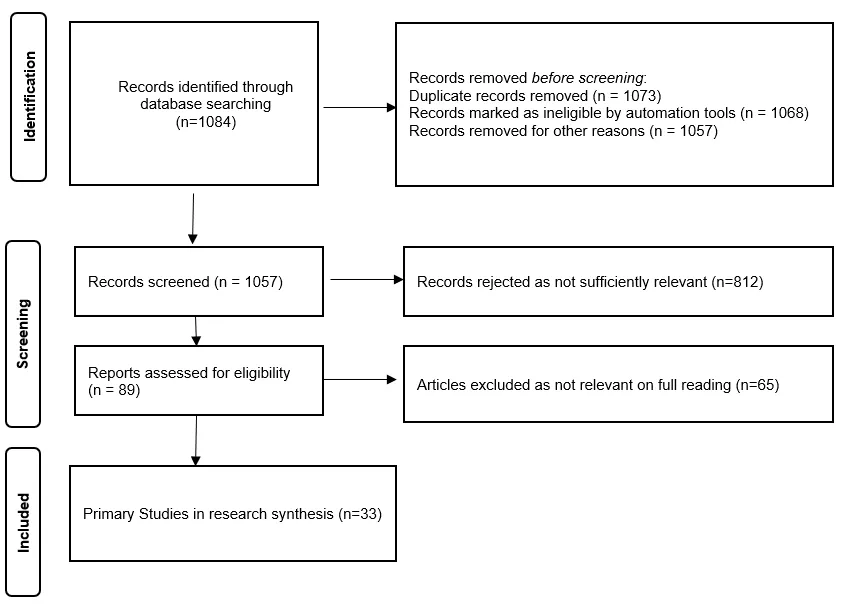
Figure 1. PRISMA Flow chart for SLR included searches of databases and registers only.
This review will be limited to refereed journals from 2000 to 2023. These criteria are based on the possibility of including seminal and the most current research into the review. The criteria depend on the use of empirical as well as theoretical studies in coming up with a full view of the implications of artificial intelligence in interior design, from its implementations in practice to conceptual considerations. Much academic research is focused on detailed analysis of the effects of AI technologies on interior design, namely on innovations, efficiencies, and the effects on creativity. The need for such studies is driven by the need to estimate the colossal change potential of AI at the level of design methodologies. Second, this review is only focused on those studies that were carried out within real-world settings, including professionals, such as interior designers and architects. This ensures that the inferences are transferred directly to the field. As to the English language, that is also a necessity, as it gives better access to such research and better readability for the majority of readers. Exclusion criteria are research articles not analyzing specifically the impact of AI on interior design, not providing empirical evidence, or not focusing on the use of AI more generally than in the domain of interior design. By adhering to this methodology, the review maintains its primary focus, illuminating the precise effects of AI technologies on interior design practices. In addition, studies published in languages other than English are excluded from the review to ensure that it remains accessible to an English-speaking audience. By observing these criteria (Table 2), the review provides a concentrated analysis.
Table 2. Inclusion and exclusion criteria
| Inclusion Criteria | Studies published in peer-reviewed journals between 2000 and 2023. Empirical and theoretical studies on AI in interior design. Research evaluating AI applications and outcomes in interior design using valid methods. Impact of AI on creativity, efficiency, and innovation in interior design. Focus on professional settings involving interior designers, architects, and experts. Studies published in English. |
|---|---|
| Exclusion Criteria | Studies not specifically on AI in interior design. Research lacking empirical evidence or rigorous analysis of AI’s role. General use of artificial intelligence outside the specialized domain of interior design. General use of artificial intelligence outside the specialized domain of interior design. Studies published in languages other than English. |
The literature selection procedure for this study was conducted per the inclusion and exclusion criteria mentioned in the previous section. Establishing clear and consistent criteria for study selection pertinent to the research inquiries is intended to minimize the potential impact of concealed bias on the results. By utilizing this methodology, every literary work was evaluated following an identical set of standards, which enhanced the clarity and openness of the conclusions derived from the review. A collaborative effort was required from all research team members throughout the procedure, which enabled an impartial and thorough evaluation of the studies under consideration.
A standardized battery of inquiries was employed to assess the quality of every primary study. As Kitchenham [20] suggested, this methodology entailed attributing significance to specific studies when interpreting results and discoveries from a subset of primary research. A quality assessment (QA) was performed on the chosen primary studies to verify their compliance with quality and accuracy criteria. The quality assurance process’s criteria, comprehensively outlined in Table 3, consist of five measures to ensure the research findings’ integrity.
Table 3. Quality assessment criteria (QAC) list
| Criteria No. | Quality Criteria |
|---|---|
| QAC1 | Does the study examine the impact of AI on interior design practices? |
| QAC2 | Does the study evaluate how AI technologies foster creativity and innovation within interior design? |
| QAC3 | Is the interaction between artificial intelligence and design processes in interior design clearly articulated? |
| QAC4 | Is the context in which AI is applied to interior design accurately described? |
| QAC5 | Are the research methodology and findings detailed and reliable? |
The quality assurance (QA) procedure detailed in Table 3 began with a thorough search across several databases, initially identifying 162, 692, and 230 articles. After applying inclusion and exclusion criteria, a reduced number of relevant studies were identified in Table 4: two from Springer, 23 from ISI Web of Knowledge, and eight from Science Direct, totaling 33 studies that met the stringent review criteria. These studies were rigorously assessed using a quality classification framework by Nidhra et al. [21], which assigned scores based on adherence to evaluation standards: one point for full compliance, 0.5 for partial compliance, and zero for non-compliance. The maximum attainable score was five, indicating full adherence, and the minimum was zero. This system classified studies into three quality levels: 12% as low, 42% as medium, and 46% as high, resulting in a diverse and meticulously vetted collection of research for analysis.
Table 4. The outcomes of the process of selecting papers
| Results of the Process for Study Selection | Initial Results | Relevant Studies |
|---|---|---|
| Springer | 162 | 2 |
| ISI Web of Knowledge | 692 | 23 |
| Science Direct | 230 | 8 |
| Summary | 1084 | 33 |
Table 6 shows that the data extraction form successfully documents all pertinent data that the researchers gathered from the 33 primary studies. In order to mitigate the potential for bias, a data extraction form that comprises several distinct columns has been established. These include study ID, title and authors, year of publication, primary findings, utilized methodology, geographic regions and countries examined, paper type, data provider, sample size, and journal-title (refer to Table 5). After a systematic review, 33 primary studies were selected for inclusion in the analysis. These studies were chosen based on their relevance to the research field under investigation and had previously been published.
Table 5. Description of the sample analysis
| Study ID | Unique identifier of the study |
|---|---|
| Full Reference | The study’s bibliographic information includes the title, year of publication, and author’s names. The publication year falls within the range of 2000 to 2023. |
| Key Findings | The principal findings and results of the article. |
| Methodology | The methodology employed in the study encompasses quantitative, qualitative, or mixed methods. |
| Country | The countries encompassed by the study. |
| Type | The classification of the document (scholarly article, conference paper, book section). |
| Data Provider | The source name of the research was obtained from |
| Number of Samples | The number of samples utilized in the study. |
| Journal Name | Name of the publication in which the paper was published. |
Table 6. Features of the studies included
| No. | Citation | Major Findings |
|---|---|---|
| 1 | Mahendarto [52]. | This article explores the progression from artificial intelligence to artificial consciousness and its consequences for architecture, mainly interior design. |
| 2 | Zhang [22]. | The imperative of assessing interior design concepts using artificial intelligence was examined. |
| 3 | Yoo et al. [23]. | A deep learning-based CAD/CAE system was proposed to create 3D CAD designs automatically and assess their engineering capabilities. Road wheel design was illustrated as a case study. |
| 4 | Zheng [53]. | An artificial intelligence-driven assessment method for interior design solutions was proposed. |
| 5 | Falih & Lafta [25]. | The significance of contemporary technologies and artificial intelligence in interior design was investigated. |
| 6 | EL-Maghawry [26]. | The influence of digital technologies on exhibition design was examined. The significance of contemporary technologies and artificial intelligence in interior design was explored. |
| 7 | Salehi & Burgueño [27]. | An overview of the main artificial intelligence (AI) techniques applied in structural engineering, then, forms the basis of this paper, with a particular focus on the applications of machine learning (ML), pattern recognition (PR), and deep learning (DL). |
| 8 | Pena et al. [35]. | The article emphasizes the utilization of AI in the conceptual architectural design process to investigate requirements and solutions, specifically focusing on evolutionary computing methodologies. |
| 9 | Ran & Dong [11]. | Multi-objective optimization technique for creating interior design and spatial organization in buildings was provided. |
| 10 | Foresti et al. [54]. | This article investigates the application of artificial intelligence in intelligent communities to develop more effective maintenance procedures. |
| 11 | Zhu [59]. | Utilization of artificial intelligence and embedded digital image technology in interior design was explored, emphasizing enhancing efficiency and providing practical solutions. |
| 12 | Hamdy [57]. | It emphasizes the significance of artificial intelligence (AI) in managing interior design operations, focusing on improving efficiency and precision. |
| 13 | Wang [30]. | AI algorithms was utilized to incorporate traditional cultural characteristics into contemporary home design, explicitly emphasizing color, pattern, and arrangement components. |
| 14 | Zhu & Du [55]. | Enhancement of interior design was explored through the utilization of virtual reality technology, with a focus on achieving overall quality improvement. |
| 15 | Gbr [32]. | Influence of “Robotecture” and AI technologies was explored on artistic expression and innovation within interior environments. |
| 16 | Yue & Yuan [68]. | Adversarial learning techniques were applied to enhance AI-assisted interior plan design in CAD painting. |
| 17 | Cao [67]. | It examined the utilization of virtual reality in the field of interior design. |
| 18 | Li et al. [25]. | It discussed interior environment design for entrepreneurship education under VR and AI-based learning environments. |
| 19 | Demirarslan & Demirarslan [37]. | It explored the impact of digital technology on interior architecture. |
| 20 | Hanafy [56]. | It studied AI’s effects on design process creativity using AI Text-to-image in architecture. |
| 21 | Chen et al. [29]. | Sustainable approach to interior design and automated manufacturing based on Grasshopper was proposed. |
| 22 | Quan et al. [13]. | Smart Design framework integrating AI-aided design for sustainable city development was developed. |
| 23 | Liu [58]. | The paper studied the interior design of smart homes based on Intelligent 3D Virtual Technology. |
| 24 | Chen et al. [8]. | The research utilizes large-scale data and artificial intelligence to improve interior design efficiency. By studying behavioral data and employing advanced computational models, it achieves a 98% accuracy in providing real-time layout recommendations. |
| 25 | Pan et al. [31]. | This study applied Building Information Modeling (BIM) and deep learning techniques to optimize interior layout design, emphasizing enhancements in efficiency. |
| 26 | Urbieta et al. [64]. | They suggested utilizing an artificial intelligence methodology to produce building information modeling (BIM) models based on structural and architectural blueprints. |
| 27 | Wan et al. [66]. | Improvement of restaurant interior design using digital image processing and visual sensing technology was explored. |
| 28 | Arisha [33]. | This study examines the evolution of interior design education using generative AI, focusing on assessing and forecasting design trends. |
| 29 | Calvo et al. [36]. | It examined the impact of artificial intelligence on improving the omnichannel customer experience, emphasizing the benefits of personalization, consistency, and flexibility. |
| 30 | Hosseini et al. [61]. | This article presents a novel approach to optimizing the interior design of temporary housing units, explicitly emphasizing sustainability. The method takes into account multiple objectives to achieve the best possible outcome. |
| 31 | Chen et al. [60]. | They introduced HyNet, an innovative combination of deep learning techniques to retrieve interior design textures. HyNet aims to improve both the accuracy and efficiency of this process. |
| 32 | Harapan et al. [26]. | Over 50% of artificial intelligence aids architects in generating conceptual designs by evaluating data and converting it into a preliminary blueprint, with a caveat on the possibility of automation replacing architects. |
| 33 | Chen [9]. | The substantial enhancement of interior design was illustrated by utilizing considerable data intelligence and AI, which involves examining behavioral data to create energy-efficient and health-focused environments. |
Figure 2 illustrates the distribution of studies by research approach, categorized as quantitative or qualitative. Of the selected studies, there are 21 employed quantitative methods, typically involving data collection and statistical analysis. On the other hand, 12 studies used qualitative methods to gain a deeper understanding of the subject through non-numerical data sources such as textual analysis, interviews, and observations. This analysis indicates a predominance of quantitative research, suggesting a firm reliance on numerical data and statistical methods in the examined field. However, qualitative studies highlight the recognized value of in-depth, non-quantifiable insights into the subject. Figure 3 depicts the chronological distribution of critical studies over a period ranging from 2018 to 2023. The line graph shows a general upward trend in the number of publications, starting with one publication in 2018 and reaching a peak of 10 publications by 2023. Such growth may be indicative of more intense interest in and development in the studies corresponding to this area, maybe due to new technology, raised financing, or increased perceived value of the area of research.
In the graph, it is observable that there was a fivefold increase from 2019 to 2020 in the number of publications noticed in the field. This growth in publications has followed a steady path through the years 2021 and 2022, with 7 and 9 publications, respectively, which supports the hypothesis of it being a rising area of research. As from 2020, where 5 were noted, the count has come to increase to 10 publications by 2023, which supports the view that the growth has been strong and of a progressively stable trend. This distribution may be caused by having a good reason for the research topic in the view of contemporary challenges or innovations that raised interest among the academic and industrial communities and, through which, many investigations and scholarly debates. Such a distribution opens up the dynamics within the research field and marks a general productivity of years, which pinpoints a path to potential periods of significant development or increasing academic and industry attention.
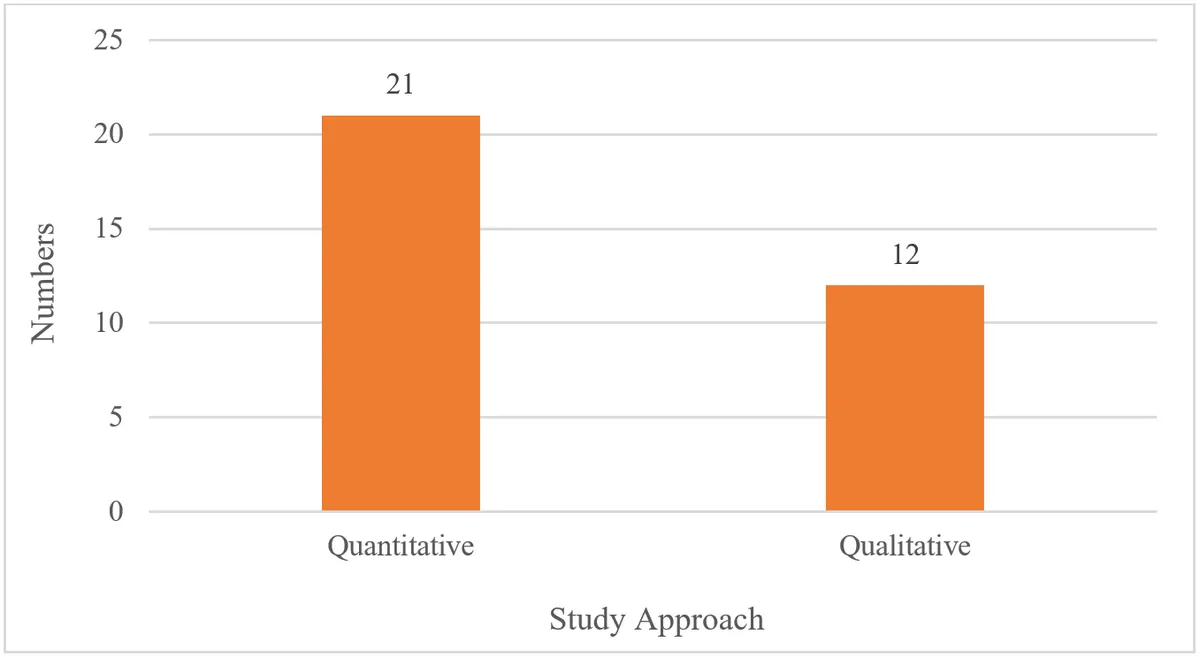
Figure 2. Publication Distribution Based on the Study Approach.
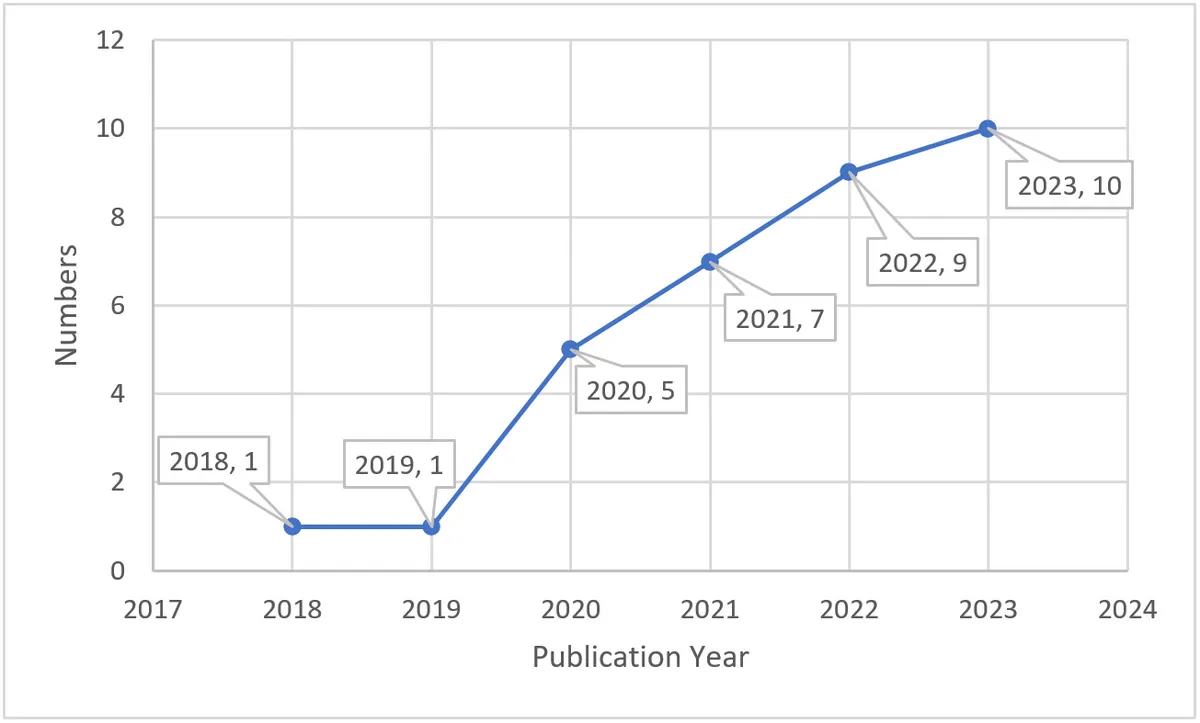
Figure 3. Distribution of the relevance studies chronologically.
The first and second entries in the table furnish a background for understanding the scope and depth of the impact that AI has had. For example, in the paper by Mahendarto 2023, he assesses the transition from artificial intelligence to artificial consciousness and the effect that the transition has so far caused in architecture, and by extension, interior design. On its part, the paper amply shows that the studies presented in the field of inquiry take a progressive nature, considering a future whereby the role of AI expands beyond that of mere tools to designers who also serve to develop spaces that are conscious to a certain level. Conversely, Zhang [22] and Yoo et al. [23] studied the practical implications of artificial intelligence in assessing interior design ideas and developing computer-aided design (CAD) designs using deep learning. In this regard, the two contributions above show that the practicality of artificial intelligence in aiding design processes and enhancing the ability of the systems to evaluate complex engineering features without relying on designers has significantly grown. Similarly, that by Zheng [24] and Falih & Lafta [25] is another set of overarching works on the assessment methods that are AI-driven and the broader implications of modern technology in the area. In general, the works reveal a trend in which AI has been used to achieve more seamless, accurate, and groundbreaking design results. Such works as the one by EL-Maghawry [26] and that by Salehi & Burgueño [27], which studies the implications of digital technologies on exhibition design and an overview of AI techniques in the area of structural engineering, are provided as the story unfolds. These studies highlight the fact that artificial intelligence is used diversely, from the subtleties in exhibition aesthetics to the engineering needs in ensuring structural integrity.
Custom Literature Review Writing Service
Need a interiror design literature review written to this standard?
Our subject specialists write to your exact brief — fully referenced, plagiarism-free and delivered on time, with a free plagiarism report.
Further research by Li et al. [28] and Chen et al. [29] made it possible to use big data in designing interior spaces for health and inclusions AI in an educational context. It is evident that AI tools are relevant with respect to the needs of a specific design, from health and well-being to educational spaces. By incorporating the results from the cited studies (Table 6) into the systematic framework of the research model. This synthesis not only corresponds to the phases of the model but also enhances our comprehension of the complex and varied function of AI in this realm of creativity. The investigation of AI technologies, as evidenced by research conducted by Yoo et al. [23] and Zheng [24], signifies a substantial transition towards digitized design processes concerning the input factors. The studies above highlight the extensive range of AI applications, encompassing CAD systems and AI-powered evaluation techniques, aligning with the framework’s ‘AI Technologies in Design’ element. An analogous emphasis on ‘Design Domain Knowledge’ can be observed in the research of Mahendarto [8], who explores the conceptual advancement from artificial intelligence to artificial consciousness, underscoring the necessity for an extensive comprehension of design and technological principles. The barriers and facilitators of technological assimilation are effectively demonstrated in the discourse on opportunities and challenges about mediating mechanisms, as exemplified by Falih and Lafta [25] and EL-Maghawry [26]. The practical implementation of artificial intelligence in interior design practices is examined in this regard, corresponding to the ‘Technological Adoption’ facet.
Regarding “Creative Process Enhancement,” Wang [30] novel application of AI to produce contemporary designs inspired by traditional cultural patterns exemplifies the profound impact that AI can have on creative methodologies. Regarding the outcome variables, numerous studies have extensively documented the phenomenon of novel design solutions and improved user experiences resulting from the implementation of AI applications. For example, studies by Pan et al. [31] and Chen et al. [29] serve as illustrative cases of the ‘Outcome Variables’ phase and offer very clear evidence that AI can create efficiency in operations and drive innovative outcomes. The results of the study emphasize AI’s power in redefining traditional design problems and user engagements within the designed spaces. The dynamic interchange between AI and designers, as evidenced by Gbr [32] and Arisha [33] under the category of Moderating Factors, follows the emerging association that shall influence design. This association is important to keep the tranquility of technological supremacy against artistic dreams. Quan et al. [13] and Hosseini et al. [34] emphasize the bigger aspect of the efficiency and sustainability focus in terms of how AI helps in propelling sustainable, environmentally considerate design processes. The author links the evolution of consumer requirements and its impact on AI technology in works by Pena et al. [35] and Calvo et al. [36], focusing on the various contextual, market-related, and consumer-based situations. Demirarslan & Demirarslan [37] focus on the effect of digital technology on interior architecture to place a significant focus on the regulatory and ethical issues within AI. The authors argue for the adoption of a ‘responsible’ view in the incorporation of AI into design. Finally, by superimposing the results of research over the structured study framework, AI’s transformative potential is thrown into sharp relief within the realms of interior design. This is unveiled in the following statement: it is a future where artificial intelligence (AI) not only adds to the efficiency of operations and incubates innovation but also mandates an intentional approach regarding execution, collaboration, and ethical issues. This broad examination discusses the critical importance of artificial intelligence in defining the course for interior design, which will bring invaluable insights, not only for practicing professionals but also for the academy.
Yet Artificial Intelligence implemented in interior design has revolutionized many sectors and reorganized all the creative and functional parts of the business. Design tasks are automated by AI, increasing the productivity of designers, but decreasing the hours that designers spend on routine tasks. The automation of such processes allows more time for the designer to concentrate on intricate design details and innovation; it leads to increased productivity and creativity, which, as proved by recent studies, showed significant improvements in many fields of this industry. Illustrating how the adoption of AI technologies may be of transformational nature, e.g., research by Hung and Liang [38] in the field of the co-ideation process that proves how image generators can facilitate the collaborative creative process among AI systems and human designers, bring new perspectives on design solutions and thus act as a tool of the new methodology of design. More recent advances can be found in the study of Chen [39] on the data-driven intelligent system that fits into interior design environments. The system can use big data in learning about and predicting user preferences and behavior. Therefore, the designs created by the system will not only be aesthetically pleasing but also highly functional, potentially relevant and tailored to the user. In this way, AI and this system make precision in design relevant.
More so, the practical employment of AI technology in interior design, as is reflected by Gong [40], allows a fulfillment of routine tasks in an automated manner while also bringing increased accuracy of design outcomes. In effect, such a process will lead to increased efficiency and free the designers to focus on much more complex and creative aspects of any given project. Han [41] also discusses the integration of AI with VR technologies to make interactive and immersive design experiences possible. These combinations enable customers to visualize and interact with design concepts before execution, thereby improving the decision process and client satisfaction overall. What is suggested by Mahendarto [42] in such development—from AI toward artificial consciousness—gives an idea, in fact, of the future of the interior design. This means there is a movement toward systems that enable and foster the creative process, possibly even toward more intuitive and responsive design environments. The study by He et al. [43] explored how generative AI is changing the nature of workflows in interior design and, through automation and the optimization of processes, has radical effects on efficiency. This, in turn, not just economizes on time but gives an opportunity to approach the more creative sides of design, leading toward more productivity and innovation. Further, discussing this trend in technological integration, Samuel et al. [44] discuss how AI, along with computational technologies, has changed the graphic and modeling elements within the domain. Over and above the radical improvement that happens with respect to such foundational elements, AI also allows the designers to bring in more precision and, thereby, complex visualizations, which are much essential for the final presentations to the client and the redesign of the elements. More innovative ways of how AI algorithms have been implemented in practical tasks related to interior design are demonstrated by Yang et al. [45], focusing on how space planning could be managed in the most optimal way. Proper space planning is a critical element in the improvement of the aesthetic and functional aspects of interior design. Optimization can be achieved to a specific client’s requirements and maintenance of critical regulatory and design standards.
Figure 4 summarizes the conclusions of the research on AI’s transformative impact on interior design processes and applications, which has significantly changed the visualization and modeling skills of the industry through technology improvements. Advanced tools that are loaded with better visualizations, because of much better accuracy, offer better visualizations, just the same as for more complex design possibilities. Such innovations make it easier to explore the architectural potentials more extensively, and the application of intricate and tailor-made design solutions is possible more effectively. The use of generative AI technologies in interior design specifically, with the support of both enhanced, optimized processes and automated creation of design features, is representative of AI’s productivity enhancement. Such technologies simplify the complex elements of the design process, like initial sketches and basic outlines, which give greater capacity to produce and iterate fast with minimal human intervention. Of note, however, is AI’s role in stimulating creativity, especially through the expanding concept of “robotecture”. This is because, with the aid of artificial intelligence to push the limitations of conventional design, new designs and ideas will emerge that could never have been conceived before. In using AI in such instances, then, the designers will partner in such experimental and imaginative ideas and thus further the creative potential of their designs.
AI in graphics and modeling has seen a significant impact, especially with regards to specialized use cases. Artificial intelligence technologies enhance the degree of detail and accuracy within the visualizations of designs, which are essential for both planning and client presentations. In the field of layout design, the ability of AI to enhance the spatial arrangement means that this, in turn, improves the visual aspect of a space as well as its utility. Thus, AI-powered layout technologies take into account multiple factors in order to provide ideal layouts that meet both regulatory mandates and user preferences. Artificial awareness can change, in a radical way, the way AI is applied in interior design and, hence, is a tectonic shift for the profession. The future, where AI can be used as an advisor or even co-designer, suggests new solutions to meet human emotional and aesthetic preferences in an intuitive manner, with the creation of AI systems that can autonomously contribute to a creative process. Most importantly, the use of AI for automation of routine tasks and making changes in the design in real time shows how it can improve operational efficiency. The AI system may assess real-time project developments and user interactions to recommend changes that make sure a final design is optimum for user happiness and keeps the design integrity.
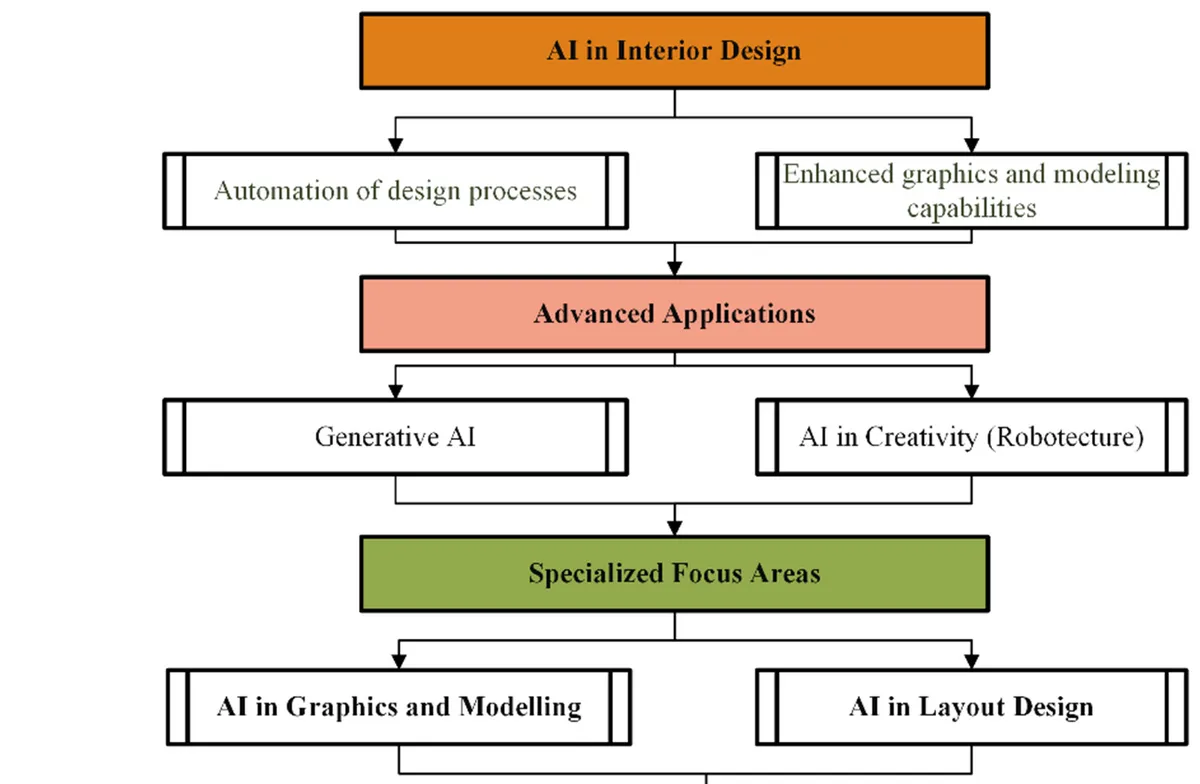
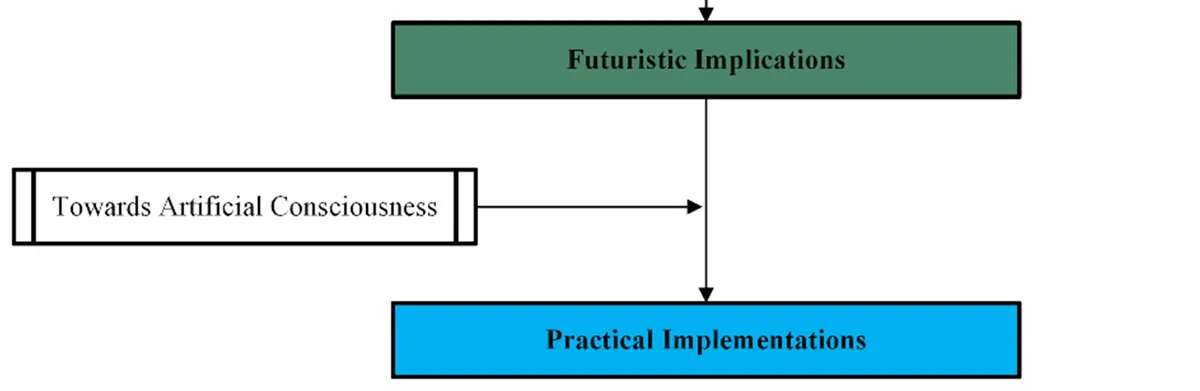
Figure 4. AI’s transformative effects on interior design processes and applications (Source: by authors).
Artificial intelligence in interior design comes with its set of challenges and ethical considerations, as summarized in Figure 5. AI technologies pose challenges to fair treatment, transparency, and ethical implications in algorithmic decision-making [46-48]. The development of AI in interior design is growing and is likely to increase. Now, it is therefore essential to direct the implementation of the ethical and equitable design process in order to stay away from the negative consequences on humans and society at large. The other set of challenges is on the understanding of the socio-technical systems of AI use in the interior design field. A sociotechnical approach will be necessary for effective handling of the challenges of the use of AI in interior design [49,50]. Indeed, it has been acknowledged that the significance of technical components and social and organizational variables which affect the design and the use of AI systems in the practice of interior design. In addition to these ethical and sociotechnical considerations, there is an imperative aspect of interior design—sustainability. The concept of environmental sustainability in interior design (ESID) is one of the subsets of sustainable interior design practices and is gaining popularity in the industry [51]. Sustainability in interior design projects is highly concerned with the materials used. Thus, designers are encouraged to use materials such as bamboo to reduce the environmental load of interior design projects. With the integration of artificial intelligence (AI) in ESID, the design process will be greatly improved in efficiency and user-friendliness. Teaching and education in interior design are also critical to addressing the challenges and harnessing the potential of AI in the field. Educational curricula should be modified to include training in AI technology and competency implementation to equip future interior designers. By introducing a curricular and training change that integrates AI into interior design programs, the students could gain the basic skills to navigate the complexity of AI integration into the industry in a very effective way.
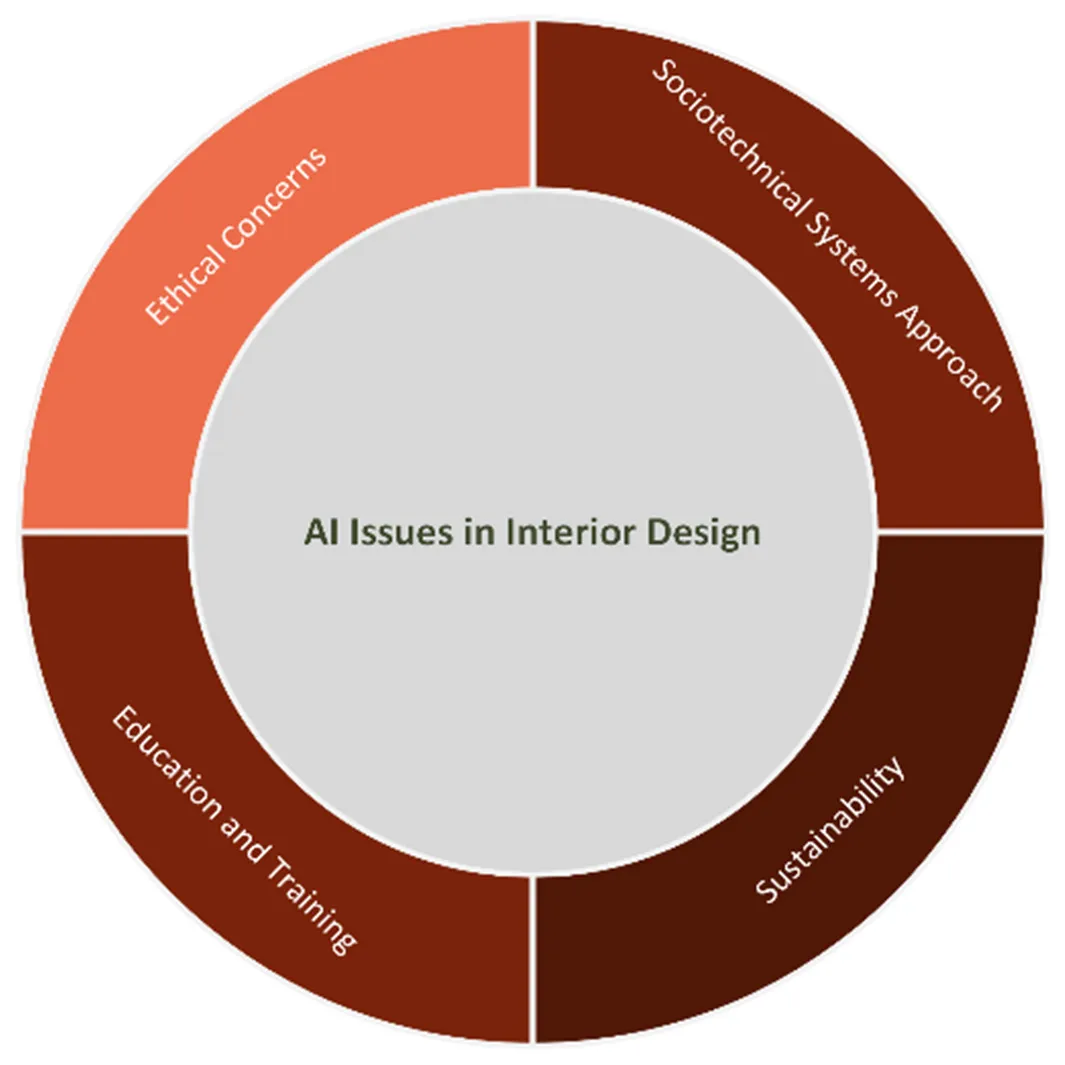
Figure 5. AI Issues in Interior Design (Source: by authors).
This revolutionary incorporation of Artificial Intelligence (AI) has birthed a new era of efficiency and innovativeness in the field of interior design. This paper provides a thematic analysis through the investigation of recent scholarly literature in an attempt to comprehensively explore the impact of AI in this discipline. Table 7 shows the thematic analysis results. Significant progress has been made in applying AI to interior design, as developments in design software and tools have expanded the scope of creative possibilities [52,53]. As Foresti et al. [54] emphasized, the automation of mundane duties by AI enables designers to allocate their time and effort toward more innovative elements. Yoo et al. [23] investigate the integration of artificial intelligence and virtual reality to generate immersive design experiences that provide clients with a virtual tour of their future spaces. At this time, AI is increasingly being utilized to customize designs through the analysis of client preferences [22, 30]. According to Zhu and Du [55], AI can predict design outcomes, whereas Hanafy [56] examines the application of AI in smart home designs, which integrate technology to improve living environments. Design is confronted with distinct challenges and opportunities by AI. According to Falih & Lafta [25] and EL-Maghawry [26], although AI can optimize operations, inadequate management can result in design homogenization. Hamdy [57] highlights the potential for cost reduction and error mitigation, whereas Liu [58] addresses the difficulty of preserving human involvement in AI-generated designs. Zhu [59] and Salehi and Burgueo [27] concur that AI has the potential to inspire novel forms of creativity despite concerns that it might impede human creativity.
AI is viewed by Pena et al. [35] and Gbr [32] as an instrument that, when employed prudently, can augment the creative process of designers as opposed to supplanting it. The importance of AI in advocating for environmentally conscious design principles has grown substantially [60, 61]. Harapan et al. [62] and Quan et al. [38] examine how AI can reduce waste and optimize resource utilization, contributing to more sustainable design solutions. The contribution of AI to design project efficacy is well documented. The utilization of rapid prototyping by AI to decrease project timelines is illustrated by Pan et al. [63]. Chen [9] and Urbieta et al. [44] emphasize the application of AI to manage complex supply chains and logistics, thereby facilitating the execution of projects. Barriers to AI adoption include financial implications and resistance to change [52, 53]. However, as Salehi and Burgueño [65] highlighted, the growing incorporation of AI into design practices is motivated by the anticipated advantages. By expanding the limits of what is feasible, AI-enabled design solutions are tackling contemporary challenges [11, 30]. Wan et al. [66] and Zhu and Du [55] demonstrate how AI can be utilized to develop more responsive and adaptive environments. AI-engineered environments frequently enhance user engagement and functionality [22, 28]. Concerning the user experience, Demirarslan & Demirarslan [37] and Calvo et al. [36] suggest that AI can customize environments to meet each individual’s specific requirements.
Table 7. Thematic Analysis Results
| # | Themes | Brief Description | Source |
|---|---|---|---|
| 1 | AI Implementation in Interior Design | Exploration of AI integration into design tools and software. | [53, 23, 53, 54] |
| 2 | Trends and Applications of AI | Identification of current trends and applications of AI in design. | [22, 30, 55, 56]. |
| 3 | Challenges and Opportunities | AI presents challenges and opportunities to design professionals and clients. | [25, 26, 57, 58]. |
| 4 | Impact on Creativity | How AI influences the creative process from conception to realization. | [65, 35, 59, 32]. |
| 5 | Influence on Sustainability | The role of AI in promoting sustainable design practices. | [29, 13, 34, 62]. |
| 6 | Efficiency in Design Projects | Contribution of AI to the operational efficiency of design projects. | [60, 63, 64, 69] |
| 7 | Technological Adoption | The extent to which AI is adopted in design practices and the barriers involved. | [52, 23, 53, 65]. |
| 8 | Creative Process Enhancement | Investigation into how AI tools are enhancing or changing the creative process. | [59, 68, 67, 33] |
| 9 | Innovative Design Solutions | The emergence of AI-enabled design solutions addressing contemporary challenges. | [11, 30, 55, 66]. |
| 10 | Enhanced User Experience | Improvement of functionality and user interaction in AI-designed spaces. | [22, 28, 37, 36]. |
| 11 | Collaboration Dynamics | The dynamics of collaboration between AI systems and design professionals. | [26, 57, 32, 58] |
| 12 | Market Trends | How consumer preferences and market trends are shaping AI integration. | [35, 13, 33, 36]. |
| 13 | Regulatory and Ethical Considerations | The impact of regulations and ethics on the use of AI in interior design. | [25, 67, 60, 29] |
An evolving collaboration exists between AI systems and design professionals. The partnerships between AI and designers are examined in EL-Maghawry [26] and Hamdy [57], whereas Gbr [32] and Liu [58] advise against compromising designer autonomy by ensuring collaborative dynamics are maintained. The incorporation of AI in design is notably impacted by market trends and consumer preferences [35, 13]. Calvo et al. [36] and Arisha [33] examine the congruence between AI capabilities and market demands to guarantee that AI-powered designs satisfy present and future requirements. Finally, it is impossible to exaggerate the significance of ethics and regulations on AI applications [25, 67]. The significance of ethical considerations, particularly about data privacy and the possible displacement of employment, is underscored by Chen et al. [29].
The latter finds theoretical implications important for interior design, human-computer interaction, and design education through the development of AI integration in interior design, the current and conceptual value of our research model, and other studies. Such an establishment serves as the basis for the rethinking of design processes, technology in the creative sectors, and design education and practice. AI could amplify the already-efficient, data-fueled, and customized-based processes of interior design. Such a move would mean a shift from the traditional belief that design is solely human-centered to a more collaborative paradigm of interaction between AI and the human designer. This suggests that the theoretical context must find room for the intuitive, humane facet of design and the analytic, data-driven facet of AI. This framework should emphasize how AI can progress human creativity instead of replacing it, which draws attention to the synergy in human-AI collaboration.
According to this research, AI drives originality and innovation in interior design. It may be the case that AI, because of its capacity to process huge sets of data and develop design alternatives quickly, leads to more innovative design concepts compared with conventional methods—in other word, that the potential of sophisticated computational tools is hinting that inventiveness will be greater. To prepare to teach future designers, new technological components will have to be written into current theories of design inventiveness. Increased use of AI and other technology in a growing interior design industry creates the need to teach AI and relevant technologies. As a result, educational goals and pedagogical methodologies will have to be reconsidered for the training of future designers in technology-enhanced design. The latter implies that theory research must be done on the ethical and social consequences of the AI technologies in interior design. Data privacy, algorithmic bias, and the environmental impact of AI solutions are thrown up with the inclusion of AI technologies in design. These difficulties entail a theoretical framework that takes into account the ethical design of AI for the responsible integration of practitioners and educators.
The most important practical implications of AI in interior design can be guessed from the modeled study and pertinent results of research with respect to various aspects of the design business. Such implications provide some ideas regarding how AI may be effectively applied to enhance design processes, client outcomes, and coping strategies with the challenges of modern design needs. AI technologies provide great potential for efficiency in designing, as they allow quick prototyping, simulation, and testing of design concepts. On practical grounds, AI can be used in automatic layout generation, materials selection, and their ecological impact evaluation. These applications can help cut on time and money that has to be spent on development to a considerable extent. This simply means that professionals will be in a position to meet the needs of consumers and the pulsating demands of the industry with innovative solutions that will not only be cost-effective but also environmentally friendly.
Another practical implication of artificial intelligence in interior design is the capability to offer personalized rooms that adjust to the peculiar tastes and needs of the users. Artificial intelligence allows for data analysis on the user, offering insights into design choices, and therefore a certain level of customization that was previously not even thinkable. This satisfies a user and actually creates a room for a designer with a specialization in personalized interior solutions to penetrate new markets. In this respect, designers will need to get competent in data analysis and AI-driven design tools to take advantage of this. AI opens up new channels for the interaction of team members among themselves and with the client. Communication, project management, and decision-making processes are accelerated by AI systems, improving the coordination of complex projects and ensuring the harmony of these projects with the goals of the customer. Design firms should focus on working AI technologies into their management systems for workflow to improve quality in projects and increase the level of satisfaction with clients.
The implication of such practice, in terms of the ability of AI to assess and enhance sustainability parameters, is immense for promoting design methods toward environmental responsibility. Designers will be in a position to calculate the ecological impact of materials, energy use, and other such elements in relation to sustainability. Eventually, these improvements can become a global pressure toward greener design solutions. Knowledge of striving AI technologies that focus on sustainability should make room for decisions that will yield the set goals of the environment. In general, this should call for a paradigm shift in the preparation of prospective designers based on training and education on how AI technologies can be brought within the scale of interior design by focusing on sustainability. In general, AI and data literacy must be included in curricula at all learning institutions and in professional development studies to prepare students for design’s future. The designer must be on the lookout for more and more learning about new developments in how AI can be used within interior design. In so far as AI, data security, ethical design methodologies, and legal standards are all pragmatic concerns when using AI in the interior design sector, any designer must manage such with a lot of care to ensure transparent methodologies are used and ensure all data and AI use is legible by data use and AI legislation. There has to be an up-to-date awareness of legal and ethical standards that have to be applied and incorporated within the design techniques of the field to sustain the trust and sanctity of the industry.
While AI in interior design offers valuable insights, it has limits. Acknowledging these limitations contextualizes the results and suggests further study. Only one of the twenty-four papers was included as primary research, which limits this study. The discipline may lack direct empirical data due to the prominence of secondary research. Secondary research, which examines previous studies, may miss essential insights from primary research, which collects fresh data and observes experiments. Due to a scarcity of primary research, AI in interior design requires additional empirical investigations to confirm and expand upon initial findings. As indicated in the exploration of co-ideation with image generators, AI can enhance the collaborative design process, though its full potential and limitations are yet to be fully understood [38]. Furthermore, developing data-driven intelligent systems for interior design has shown promising results. However, these technologies need rigorous validation through empirical research to establish their effectiveness and applicability in real-world settings [39]. However, the number of practical applications of AI in the field of interior design has been ample [40], and long-lasting empirical studies on how these new technologies actually shape the industry are more than needed. AI and virtual reality open new avenues for interaction design, but again only systematic evaluations can solidify the promised benefits [41]. However, since the change from artificial intelligence to artificial consciousness brings new implications for interior design into an entirely new dimension, deep empirical research is needed in order to discover these cognitive aspects [42].
The present paper has two main limitations: first, the coverage of the Systematic Literature Review is restricted to journal articles. On the one hand, this guarantees academic rigor and authenticity for the sources that are taken into the study, but on the other hand, it cuts the scope of the study. Conference papers, book chapters, and industry reports that are likely to bring very cutting-edge opinions or practical examples of AI in interior design were not included. This limitation suggests that in the future studies, a broader range of publishing formats be included in order to represent the complete range of field research and development. The last limitation refers to the potential for the chosen method of selection to introduce bias in the papers evaluated. While the selected papers are quality-reviewed, they may not represent all related research. The likelihood of results to be published leads to bias in the results by under-representing important insights from null or negative research and over-representing studies with significant or favorable results. This limitation suggests that in the future, study selection criteria should be made systematic and transparent enough to limit potential bias.
The research done on Artificial Intelligence in interior design has concerned the transformational potential to better the environment in terms of aesthetic appeal, functionality, and sustainability. This research has shown that AI might, in the end, change the limits of interior design through strong improvement of personalized solutions, smoothening processes, and fostering embedding sustainable practices. AI tools manage processing and learning algorithms to fully understand and precisely predict customer needs and desires. Such a personalized approach delivers the aesthetic and functional requirements to the user and contributes to a more profound relationship between the inhabitant and their residential or working environment. Furthermore, it has been proven that the potential of AI in optimizing and automating design processes increases productivity, reduces errors, and fosters creative design explorations, letting designers really focus on the creative and visionary parts of projects.
The impact on sustainability is a significant concern supported by the current design environment; in this respect, the inclusion of AI has indeed been positive. It involves the selection of materials, analysis of the use of energy, and optimization of the use of natural light and ventilation to foster sustainable design solutions in an increasing demand of green living space. However, the study also acknowledges that the current application of AI to interior design has a number of problems and constraints. These include the lack of more original research, a broader diversity of publication media, and the potential for publication bias. These constraints speak to the ongoing need for research and development to make the fullest use of AI’s capability in interior design.
To sum up, the development of artificial intelligence within the domain of interior design will significantly increase with time. AI applications will help augment productivity and performance in design processes, drastically transforming human perception and experience of built environments. Future research can try to close the gap identified by completing empirical research, thoroughly reviewing the literature, and exploring how AI could be effectively applied toward global sustainability issues in the field of interior design. Together, we can make sure AI continues as a tool to design environments visually interesting and practical, ecologically aware, and able to change with the needs of an altering society.
[1] N. Rane, S. Choudhary, and J. Rane, “Integrating CHATGPT, Bard, and leading-edge generative artificial intelligence in Architectural Design and Engineering: Applications, framework, and challenges,” SSRN Electronic Journal, 2023. https://doi.org/10.2139/ssrn.4645595.
[2] S. Noaman and G. HUSSEIN, “Improving design efficiency using Artificial Intelligence: A study on the role of Artificial Intelligence in streamlining the Interior Design Process,” International Design Journal, vol. 13, no. 5, pp. 101–114, 2023. https://doi.org/10.21608/idj.2023.222943.1082.
[3] Y. Li, “Intelligent environmental art design combining big data and artificial intelligence,” Complexity, 2021, pp. 1–11. https://doi.org/10.1155/2021/1606262.
[4] J. Ploennigs and M. Berger, “Ai Art in Architecture,” AI in Civil Engineering, vol. 2, no. 1, 2023. https://doi.org/10.1007/s43503-023-00018-y.
[5] M. Banaei, A. Ahmadi, and A. Yazdanfar, “Application of AI methods in the clustering of architecture interior forms,” Frontiers of Architectural Research, vol. 6, no. 3, pp. 360–373, 2017. https://doi.org/10.1016/j.foar.2017.05.002.
[6] M. Gong, “Application and practice of Artificial Intelligence Technology in interior design,” Applied Mathematics and Nonlinear Sciences, vol. 8, no. 1, pp. 3077–3094, 2023. https://doi.org/10.2478/amns.2023.1.00020.
[7] S. Wu and S. Han, “System evaluation of Artificial Intelligence and virtual reality technology in the interactive design of Interior Decoration,” Applied Sciences, vol. 13, no. 10, 6272, 2023. https://doi.org/10.3390/app13106272.
[8] T. Mahendarto, “From artificial intelligence to Artificial Consciousness: An interior design implication,” Journal of Artificial Intelligence in Architecture, vol. 2, no. 1, pp. 41–52, 2023. https://doi.org/10.24002/jarina.v2i1.6627.
[9] G. Chen, “A data-driven intelligent system for assistive design of interior environments,” Computational Intelligence and Neuroscience, 2022, pp. 1-11. https://doi.org/10.1155/2022/8409495.
[10] A. Hosny, C. Parmar, J. Quackenbush, L. Schwartz, and H. Aerts, “Artificial intelligence in radiology,” Nature Reviews Cancer, vol. 18, no. 8, pp. 500-510, 2018. https://doi.org/10.1038/s41568-018-0016-5.
[11] M. Ran and J. Dong, “A multiobjective optimization algorithm for building interior design and spatial structure optimization,” Mobile Information Systems, 2022, pp. 1-15. https://doi.org/10.1155/2022/5659280.
[12] Y. Lee, “A study on the development of automatic design alternatives generation technology used in the early stages of architectural design,” Asia-Pacific Journal of Convergent Research Interchange, vol. 7, no. 3, pp. 123-132, 2021. https://doi.org/10.47116/apjcri.2021.03.11.
[13] S. J. Quan, J. Park, A. Economou, and S. Lee, “Artificial Intelligence-Aided Design: Smart design for sustainable city development,” Environment and Planning B: Urban Analytics and City Science, vol. 46, no. 8, pp. 1581–1599, 2019. https://doi.org/10.1177/2399808319867946.
[14] G. Chen, “A Data-Driven Intelligent System for Assistive Design of Interior Environments,” Computational Intelligence and Neuroscience, 2022. https://doi.org/10.1155/2022/8409495.
[15] S. Xiang, Z. Niu, and Y. Wu, “Research on handicraft design based on artificial intelligence technology in complex environments,” Wireless Communications and Mobile Computing, 2022, pp. 1-9. https://doi.org/10.1155/2022/1538488.
[16] Y. Hou and X. Xu, “Research on art design and application of indoor environment based on artificial intelligence,” E3s Web of Conferences, vol. 275, 03036, 2021. https://doi.org/10.1051/e3sconf/202127503036.
[17] B. A. Kitchenham, S. L. Pfleeger, L. M. Pickard, P. W. Jones, D. C. Hoaglin, K. El Emam, and J. Rosenberg, “Preliminary guidelines for empirical research in software engineering,” IEEE Transactions on Software Engineering, vol. 28, no. 8, pp. 721–734, 2002. https://doi.org/10.1109/tse.2002.1027796.
[18] J. Pérez, J. Díaz, J. Garcia-Martin, and B. Tabuenca, “Systematic literature reviews in software engineering—enhancement of the study selection process using Cohen’s Kappa statistic,” Journal of Systems and Software, vol. 168, 110657, 2020. https://doi.org/10.1016/j.jss.2020.110657.
[19] S. Stantcheva, “How to run surveys: A guide to creating your own identifying variation and revealing the invisible,” Annual Review of Economics, vol. 15, no. 1, 2023.
[20] B. Kitchenham, “Procedures for performing systematic reviews,” Keele, UK, Keele University, vol. 33, 2004, pp. 1-26.
[21] S. Nidhra, M. Yanamadala, W. Afzal, and R. Torkar, “Knowledge transfer challenges and mitigation strategies in Global Software Development—a systematic literature review and industrial validation,” International Journal of Information Management, vol. 33, no. 2, pp. 333–355, 2013. https://doi.org/10.1016/j.ijinfomgt.2012.11.004.
[22] Y. Zhang, “Evaluation of Interior Design Schemes Based on Artificial Intelligence Processing Technology,” Journal of Physics: Conference Series, vol. 1651, no. 1, 012002, 2020. https://doi.org/10.1088/1742-6596/1651/1/012002.
[23] S. Yoo, S. Lee, S. Kim, K. Hwang, J. Park, and N. Kang, “Integrating deep learning into CAD/CAE system: generative design and evaluation of 3D conceptual wheel,” Structural and Multidisciplinary Optimization, vol. 64, pp. 2725-2747, 2020. https://doi.org/10.1007/s00158-021-02953-9.
[24] S. Zheng, “An evaluation system for Interior Design Solutions based on Artificial Intelligence Processing Technology,” in 7th International Symposium on Advances in Electrical, Electronics, and Computer Engineering, 2022. https://doi.org/10.1117/12.2639884.
[25] A. Falih and R. Lafta, “MODERN TECHNOLOGIES AND ARTIFICIAL INTELLIGENCE IN THE DESIGN OF INTERIOR SPACES,” RIMAK International Journal of Humanities and Social Sciences, 2021. https://doi.org/10.47832/2717-8293.6-3.18.
[26] Y. El-Maghawry, “The impact of digital information technologies on the design of temporary and permanent exhibitions,” International Design Journal, vol. 12, no. 4, pp. 141-150, 2022. https://doi.org/10.21608/idj.2022.245859.
[27] H. Salehi and R. Burgueño, “Emerging artificial intelligence methods in structural engineering,” Engineering Structures, 2018. https://doi.org/10.1016/J.ENGSTRUCT.2018.05.084.
[28] W. Li, Z. Xue, J. Li, and H. Wang, “The interior environment design for entrepreneurship education under the Virtual Reality and artificial intelligence-based learning environment,” Frontiers in Psychology, vol. 13, 2022. https://doi.org/10.3389/fpsyg.2022.944060.
[29] J. Chen et al., “Sustainable interior design: A new approach to intelligent design and automated manufacturing based on grasshopper,” Computers & Industrial Engineering, vol. 183, 109509, 2023. https://doi.org/10.1016/j.cie.2023.109509.
[30] J. Wang, “Application of traditional cultural elements in modern interior design in the era of Artificial Intelligence,” Applied Mathematics and Nonlinear Sciences, vol. 9, no. 1, 2023. https://doi.org/10.2478/amns.2023.2.01197.
[31] H. Pan, G. Zheng, Á. Hutter, and Z. Huang, “Building interior layout design based on building information model and Deep Learning Technology,” Computational Intelligence and Neuroscience, 2022, pp. 1–8. https://doi.org/10.1155/2022/3746393.
[32] B. Gbr, “Robotecture and Artificial Intelligence (AI) technology and its impact on the creativity process in interior spaces,” International Design Journal, vol. 13, no. 4, pp. 215–233, 2023. https://doi.org/10.21608/idj.2023.210586.1076.
[33] N. Arisha, “Transforming interior design education through Generative Artificial Intelligence (AI) trend,” Arts and Architecture Journal, vol. 4, no. 2, pp. 184–202, 2023. https://doi.org/10.21608/aaj.2023.245371.1045.
[34] S. M. A. Hosseini, R. Yazdani, and A. de Fuente, “Multi-objective interior design optimization method based on sustainability concepts for post-disaster temporary housing units,” Building and Environment, vol. 173, 106742, 2020. https://doi.org/10.1016/j.buildenv.2020.106742.
[35] M. Pena, A. Carballal, N. Rodriguez-Fernandez, I. Santos, and J. Romero, “Artificial intelligence applied to conceptual design: A review of its use in architecture,” Automation in Construction, vol. 124, 103550, 2021. https://doi.org/10.1016/J.AUTCON.2021.103550.
[36] A. V. Calvo, A. D. Franco, and M. Frasquet, “The role of Artificial Intelligence in improving the Omnichannel Customer experience,” International Journal of Retail & Distribution Management, vol. 51, nos. 9/10, pp. 1174–1194, 2023. https://doi.org/10.1108/ijrdm-12-2022-0493.
[37] D. Demirarslan & O. Demirarslan, “Digital Technology and Interior Architecture,” Kocaeli Üniversitesi Mimarlık ve Yaşam Dergisi, 2020. https://doi.org/10.26835/my.787081.
[38] P.-K. Hung and R.-H. Liang, “Designing with AI: An Exploration of Co-Ideation with Image Generators,” in Proc. ACM Designing Interactive Systems Conf., 2023. https://doi.org/10.1145/3563657.3596001.
[39] G. Chen, “A Data-Driven Intelligent System for Assistive Design of Interior Environments,” Computational Intelligence and Neuroscience, vol. 2022, no. 8409495, 2022. https://doi.org/10.1155/2022/8409495.
[40] M. Gong, “Application and Practice of Artificial Intelligence Technology in Interior Design,” Applied Mathematics and Nonlinear Sciences, vol. 2023, no. 1, 2023. https://doi.org/10.2478/amns.2023.1.00020.
[41] S. Han, “System Evaluation of Artificial Intelligence and Virtual Reality Technology in the Interactive Design of Interior Decoration,” Applied Sciences, vol. 13, no. 10, 2023. https://doi.org/10.3390/app13106272.
[42] T. Mahendarto, “From Artificial Intelligence to Artificial Consciousness: An Interior Design Implication,” Journal of Artificial Intelligence in Architecture, vol. 2, no. 1, 2023. https://doi.org/10.24002/jarina.v2i1.6627.
[43] Z. He, X. Li, L. Fan, and H. J. Wang, “Revamping Interior Design Workflow Through Generative Artificial Intelligence,” in Proc. ACM Designing Interactive Systems Conf., 2023. https://doi.org/10.1007/978-3-031-36001-5_78.
[44] A. K. Samuel, N. R. Mahanta, and A. C. Vitug, “Computational Technology and Artificial Intelligence (AI) Revolutionizing Interior Design Graphics and Modelling,” in Proc. International Conference on Computing Communication and Networking Technologies, 2022. https://doi.org/10.1109/ICCCNT54827.2022.9984232.
[45] N. J. Yang, X. Sun, and T. Jiang, “The Aided Design of Interior Layout Based on Artificial Intelligence,” in Proc. ICDCECE, 2023. https://doi.org/10.1109/ICDCECE57866.2023.10150960.
[46] B. Mittelstadt, P. Allo, M. Taddeo, S. Wachter, & L. Floridi, “The ethics of algorithms: mapping the debate”, Big Data & Society, vol. 3, no. 2, p. 205395171667967, 2016. https://doi.org/10.1177/2053951716679679.
[47] F. Russo, E. Schliesser, & J. Wagemans, “Connecting ethics and epistemology of ai”, Ai & Society, 2023. https://doi.org/10.1007/s00146-022-01617-6.
[48] M. Salwei and P. Carayon, “A sociotechnical systems framework for the application of artificial intelligence in health care delivery”, Journal of Cognitive Engineering and Decision Making, vol. 16, no. 4, p. 194-206, 2022. https://doi.org/10.1177/15553434221097357.
[49] M. Endsley, N. Cooke, N. McNeese, A. Bisantz, L. Militello, & E. Roth, “Special issue on human-ai teaming and special issue on ai in healthcare”, Journal of Cognitive Engineering and Decision Making, vol. 16, no. 4, p. 179-181, 2022. https://doi.org/10.1177/15553434221133288.
[50] N. Van, “Bamboo – the eco-friendly material – one of the material solutions of the sustainable interior design in viet nam”, Matec Web of Conferences, vol. 193, p. 04014, 2018. https://doi.org/10.1051/matecconf/201819304014.
[51] J. Banning, S. Clemons, C. Gibbs, & D. McKelfresh, “Education and training: issues for the field of interior design”, Journal of Education and Training, vol. 1, no. 1, p. 117, 2013. https://doi.org/10.5296/jet.v1i1.4796.
[52] T. Mahendarto, “From artificial intelligence to artificial consciousness: an interior design implication,” Journal of Artificial Intelligence in Architecture, vol. 2, no. 1, pp. 41-52, 2023. https://doi.org/10.24002/jarina.v2i1.6627.
[53] S. Zheng, “An evaluation system for Interior Design Solutions based on Artificial Intelligence Processing Technology,” in 7th International Symposium on Advances in Electrical, Electronics, and Computer Engineering, 2022. https://doi.org/10.1117/12.2639884.
[54] R. Foresti, S. Rossi, M. Magnani, C. Bianco, and N. Delmonte, “Smart Society and Artificial Intelligence: Big Data Scheduling and the Global Standard Method Applied to Smart Maintenance,” Engineering, 2020. https://doi.org/10.1016/j.eng.2019.11.014.
[55] Z. Zhu and Y. Du, “Research on interior design optimization based on Virtual Reality Technology,” Journal of Physics: Conference Series, vol. 1746, no. 1, 012063, 2021. https://doi.org/10.1088/1742-6596/1746/1/012063.
[56] N. O. Hanafy, “Artificial Intelligence’s effects on design process creativity: ‘A study on used A.I. Text-to-image in architecture’,” Journal of Building Engineering, vol. 80, 107999, 2023. https://doi.org/10.1016/j.jobe.2023.107999.
[57] Y. Hamdy, “Application of artificial intelligence in the development of Interior Design Operations Management,” Journal of Design Sciences and Applied Arts, vol. 3, no. 2, pp. 369–377, 2022. https://doi.org/10.21608/jdsaa.2022.117299.1156.
[58] W. Liu, “Interior Design of smart home based on Intelligent 3D Virtual Technology,” in Proc. of the 2021 3rd International Conference on Artificial Intelligence and Advanced Manufacture, 2021. https://doi.org/10.1145/3495018.3495315.
[59] A. Zhu, “Application of artificial intelligence technology and Embedded Digital Image in interior design,” Microprocessors and Microsystems, vol. 81, 103782, 2021. https://doi.org/10.1016/j.micpro.2020.103782.
[60] J. Chen, Z. Shao, C. Cen, and J. Li, “HyNet: A novel hybrid deep learning approach for efficient interior design texture retrieval,” Multimedia Tools and Applications, 2023. https://doi.org/10.1007/s11042-023-16579-0.
[61] S. M. A. Hosseini, R. Yazdani, and A. de Fuente, “Multi-objective interior design optimization method based on sustainability concepts for post-disaster temporary housing units,” Building and Environment, vol. 173, 106742, 2020. https://doi.org/10.1016/j.buildenv.2020.106742.
[62] A. Harapan, D. Indriani, N. Rizkiya, and R. Azbi, “Artificial Intelligence in Architectural Design,” International Journal of Design, vol. 1, 2021. https://doi.org/10.34010/injudes.v1i1.4824.
[63] H. Pan, G. Zheng, Á. Hutter, and Z. Huang, “Building interior layout design based on building information model and Deep Learning Technology,” Computational Intelligence and Neuroscience, 2022, pp. 1–8. https://doi.org/10.1155/2022/3746393.
[64] M. Urbieta, M. Urbieta, T. Laborde, G. Villarreal, and G. Rossi, “Generating BIM model from structural and architectural plans using Artificial Intelligence,” Journal of Building Engineering, vol. 78, 107672, 2023. https://doi.org/10.1016/j.jobe.2023.107672.
[65] H. Salehi and R. Burgueño, “Emerging artificial intelligence methods in structural engineering,” Engineering Structures, 2018. https://doi.org/10.1016/J.ENGSTRUCT.2018.05.084.
[66] Y. Wan, C. Cui, and G. Wang, “Restaurant Interior Design under digital image processing based on visual sensing technology,” Computational Intelligence and Neuroscience, 2022, pp. 1–9. https://doi.org/10.1155/2022/3302700.
[67] L. Cao, “Analyze the application of virtual reality in Interior Design,” in Proc. of the International Conference on Artificial Intelligence, Virtual Reality, and Visualization (AIVRV 2021), 2021. https://doi.org/10.1117/12.2626682.
[68] P. Yue and T. Yuan, “Artificial Intelligence-assisted interior layout design of CAD Painting,” Computer-Aided Design and Applications, 2022. https://doi.org/10.14733/cadaps.2023.s5.64-74.
[69] G. Chen, “A Data-Driven Intelligent System for Assistive Design of Interior Environments,” Computational Intelligence and Neuroscience, 2022. https://doi.org/10.1155/2022/8409495.

All work is written by human writers. 100% AI free, guaranteed.

100% money back guarantee if you find plagiarism in our work.
COMPANY DETAILS