Academic writing in higher education has always come with this unspoken pressure to sound smart, organised, and confident, even when students don’t feel that way at all. From the very beginning of college, students are told to write clearly, think critically, and most importantly, not plagiarise.
These rules usually show up in syllabi or orientation sessions, often framed in a pretty serious tone. Plagiarism is bad, integrity matters, and don’t cheat. While those messages are important, they don’t always explain the deeper reason behind them, and that’s where a lot of confusion starts.
Table of Contents
How Plagiarism Used to Be Understood
For a long time, plagiarism felt fairly straightforward. You didn’t copy someone else’s work, you cited your sources, and you turned in something that was mostly your own. When students did plagiarise, it was usually obvious.
A paragraph pulled straight from a website, a paper bought online, or a citation that didn’t quite match the writing style around it. Technology helped catch these cases, and the rules felt clear enough.
But in the last few years, artificial intelligence has changed the situation in ways that make those old definitions feel a little outdated.
The Rise of AI and the New Gray Area
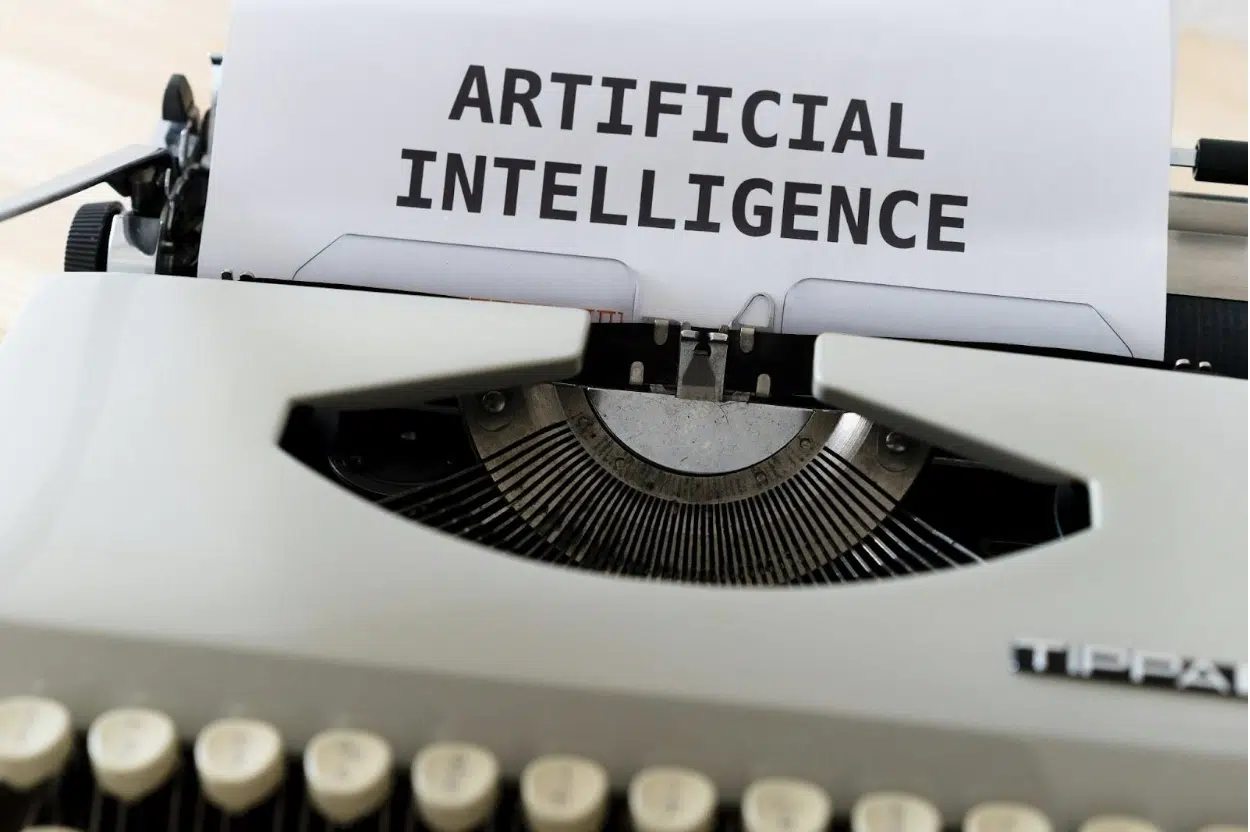
AI writing tools don’t really behave like traditional sources. They don’t hand you a paragraph from a book or article. Instead, they generate new text that sounds original, polished, and academic.
For a student staring at a blank screen at two in the morning, that can feel like a miracle. The writing looks right, the structure makes sense, and there’s no obvious copying involved.
Because of that, some students don’t even see it as cheating. It feels more like getting help. Especially when they’re overwhelmed or unsure where to start.
Why AI Use Changes the Meaning of Academic Work
That’s where things get tricky.
Academic writing isn’t just about producing something that looks good on the page. It’s about showing how you understand the material. How you connect ideas. How you build an argument over time.
When an AI tool does that work for you, even if the text is technically new, the thinking behind it isn’t yours. The assignment may be complete, but the learning part is missing, and that’s kind of the whole point of being in college in the first place.
Plagiarism Is Often More Complicated Than It Seems
Plagiarism itself has always been more complicated than people admit. Many cases are not intentional at all. Students struggle with paraphrasing, forget where an idea came from, or don’t fully understand citation rules.
Academic writing is a skill, and it takes practice. It’s not something most people are naturally good at right away.
When deadlines pile up and confidence runs low, shortcuts start to look appealing. AI just makes those shortcuts easier to access and harder to notice.
How Universities Are Responding to AI
One of the biggest challenges universities face right now is figuring out how to respond without overreacting. Some schools have tried strict bans on AI tools, while others have taken a more flexible approach.
There’s no universal agreement, and that inconsistency can be confusing for students. In one class, AI use might be totally forbidden, while in another it might be allowed for brainstorming or editing.
When expectations aren’t clear, students end up guessing, and guessing isn’t a great foundation for academic integrity.
The Limits of AI Detection Tools
Detection tools have become part of this conversation too. Plagiarism checkers work by comparing student writing to existing texts. That system makes sense when someone copies from a known source.
AI-generated writing doesn’t always show up the same way. Because it’s newly generated, it may not match anything word-for-word.
New AI detection tools try to identify patterns instead, but those systems are far from perfect. They sometimes flag writing that is completely human. Especially if the student writes in a formal or structured style.
Why Technology Alone Can’t Solve the Problem
These kinds of errors have led to some uncomfortable situations. Students who genuinely wrote their own work have found themselves accused of using AI, and that can be pretty upsetting.
At the same time, some AI-generated work slips through without any flags at all. This shows that technology alone can’t solve the problem. Writing is too complex, and learning is too personal, to be reduced to a percentage score or probability estimate.
Focusing on Teaching Instead of Policing
A better approach starts earlier, before any detection is needed. Teaching students how to write ethically and confidently matters so much more than catching mistakes after the fact.
When students understand why citation matters, and how to use sources correctly, they’re less likely to plagiarise, intentionally or not.
Clear note-taking, careful source tracking, and honest engagement with material go a long long way. These are basic skills but they don’t always get enough attention.
Why Paraphrasing Is So Difficult
Paraphrasing is one of those areas where students often struggle the most. It sounds simple, but it’s actually pretty hard. You have to fully understand an idea and then explain it in your own words without copying the original structure.
Many students think changing a few words is enough, and technically, it isn’t. AI tools that automatically rephrase text can make this problem worse. The sentence looks different, but the thinking behind it still isn’t the student’s.
The Role of Assignment Design
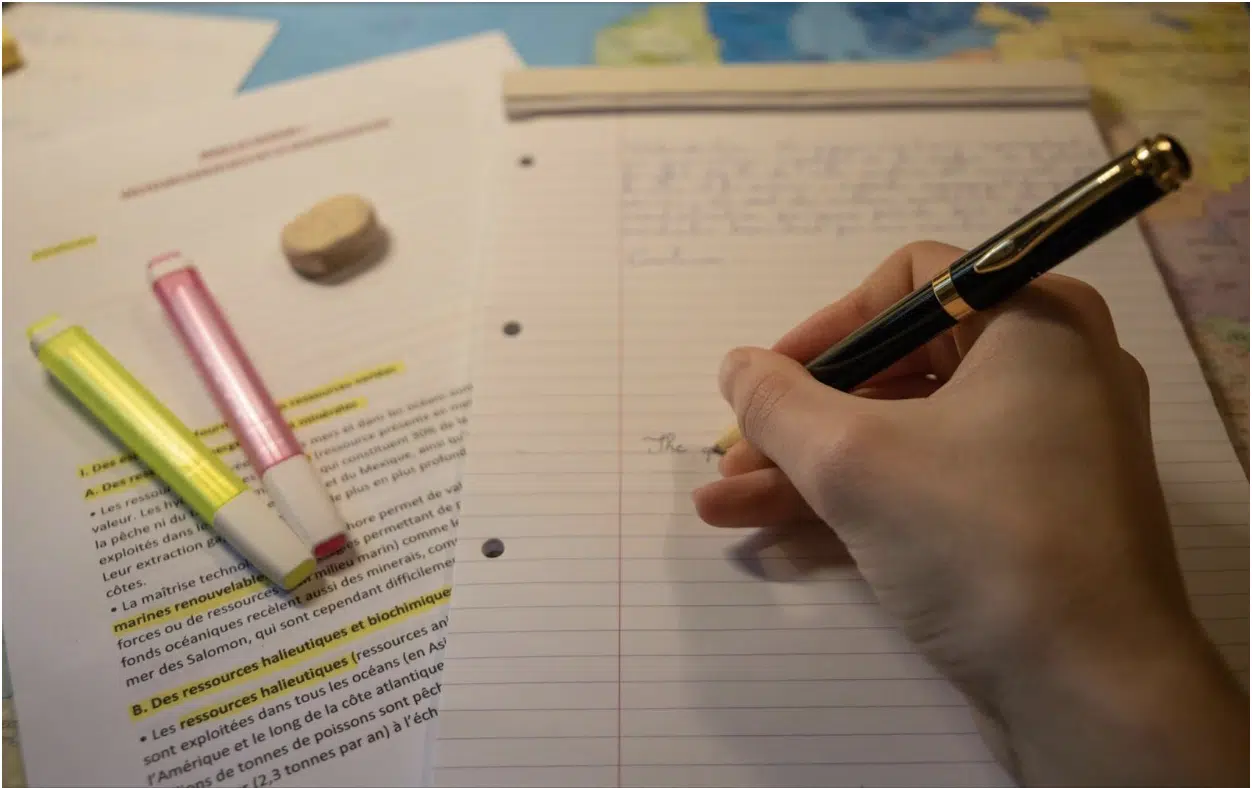
Assessment design really does matter more than people think.
When assignments just ask for broad summaries or surface level explanations, yeah, those are pretty easy to knock out with AI. But when students are asked to reflect on a specific reading, or connect ideas to a class discussion, or even talk through their own experience, it’s a lot harder to fake.
Having students turn in drafts, reflections, or short explanations of why they made certain choices also helps. It shows how the work came together, and honestly, it makes students feel more invested in what they’re writing instead of just trying to get it over with.
Being Open About AI Use
Being upfront about AI use is another big piece of the puzzle.
In classes where some AI help is allowed, students should feel like they can be honest about how they used it without instantly getting in trouble. Trying to hide it usually causes more issues than the tool itself.
When expectations are clear, and talking about AI is normal, students tend to make better choices. Treating AI like any other resource, instead of this secret forbidden thing, actually lowers the chance of misuse.
How Instructors Are Navigating This Shift
Instructors are also figuring this out in real time. A lot of faculty didn’t grow up with this technology and are learning as they go, sometimes right alongside their students.
They need support, training, and honestly some patience while they experiment and adjust. Expecting professors to handle all these new integrity questions on their own just isn’t realistic.
Open conversations between educators about what’s working and what’s not are more important now than ever.
The Human Side of Academic Integrity
There’s also a very real human side to all of this that gets missed sometimes. Students today are juggling a lot at once, money, stress, jobs, family stuff, mental health, all of it.
When everything feels overwhelming, AI can start to feel like a safety net instead of a shortcut. If academic integrity policies ignore those pressures, they can come off as out of touch or unfair. Approaches that focus on learning, growth, and second chances tend to work better in the long run.
Why Writing Still Matters
At the heart of it, academic writing is really about learning how to think, not just how to sound smart on paper. Writing slows you down in a good way and kind of forces you to sit with ideas and sort them out. It shows pretty quickly what you understand and what you’re still fussy on, which isn’t always fun to realise.
When students write in their own voice, even if it’s a little rough or awkward, they’re actually engaging with the material instead of just repeating stuff. That kind of thinking is something AI just can’t really do for you, no matter how advanced it gets.
Rethinking What “Plagiarism-Free” and “AI-Free” Mean
Making sure academic work is plagiarism free and AI free doesn’t mean banning technology altogether or acting like it doesn’t exist. It really comes down to being more intentional about how and why tools are used in the first place.
Technology should help students learn, not jump in and do the learning for them. As AI keeps evolving, colleges and universities will have to adjust, and yeah, that part won’t be perfect either.
But they can’t lose sight of what education is actually about. And it’s not about turning in flawless essays every time. It’s about effort, growth, and learning how to think on your own.
Academic Integrity as a Habit
When it really comes down to it, academic integrity isn’t just a list of rules taped to a syllabus, it’s more like a set of habits people build over time. Learning to take ownership of your work and trust your own thinking takes practice, and sometimes a few mistakes along the way.
Writing something original, even if it’s not great or you wish you had more time, builds confidence in a quiet way. Those are the kinds of skills that stick long after the grades are forgotten.
No tool, no matter how powerful, can replace the experience of actually doing the work yourself, even when it’s frustrating, messy, or just hard.
Frequently Asked Questions
Yeah, you can use AI to get ideas or tidy up your sentences, but it’s really important that the thinking is still yours. If the AI is doing the heavy lifting, you’re kind of skipping the part where you actually learn. Some classes are fine with a little help, some aren’t, and it can get confusing. Being honest about it and checking the rules usually saves a lot of headaches.
Paraphrasing looks simple but it’s tricky. You have to really understand the idea and put it in your own words, not just swap out a couple of words. AI can rewrite stuff in seconds, but it doesn’t actually make the thought yours, and that’s the whole point of the assignment. Struggling with it isn’t failing. It just means you’re learning how to think and write.
Honestly, the tools aren’t perfect. Old plagiarism checkers look for copying, and AI detectors try to spot patterns, but sometimes they flag totally normal writing or miss AI stuff completely. Professors mostly want to see that the work shows your own thinking. Turning in drafts, notes, or little explanations of why you did things a certain way helps more than any robot ever could.